
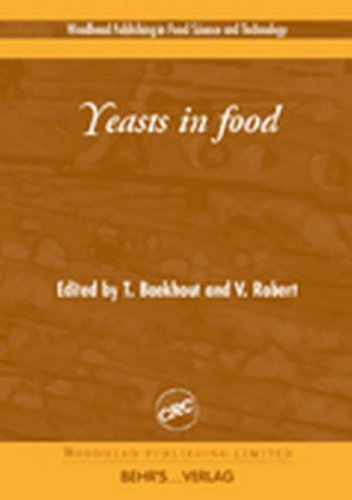
Yeasts in Food Beneficial and Detrimental Aspects Woodhead Publishing Series in Food Science Technology and Nutrition 1st edition by Boekhout, Robert ISBN 185573706X 978-1855737068

Original price was: $50.00.$35.00Current price is: $35.00.
Yeasts in Food Beneficial and Detrimental Aspects Woodhead Publishing Series in Food Science Technology and Nutrition 1st edition by Boekhout, Robert – Ebook PDF Instant Download/Delivery: 185573706X, 978-1855737068
Full download Yeasts in Food Beneficial and Detrimental Aspects Woodhead Publishing Series in Food Science Technology and Nutrition 1st edition after payment
Product details:
ISBN 10: 185573706X
ISBN 13: 978-1855737068
Author: Boekhout, Robert
Yeasts play a crucial role in the sensory quality of a wide range of foods. They can also be a major cause of food spoilage. Maximising their benefits whilst minimising their detrimental effects requires a thorough understanding of their complex characteristics and how these can best be manipulated by food processors.Yeasts in food begins by describing the enormous range of yeasts together with methods for detection, identification and analysis. It then discusses spoilage yeasts, methods of control and stress responses to food preservation techniques. Against this background, the bulk of the book looks at the role of yeasts in particular types of food. There are chapters on dairy products, meat, fruit, bread, soft drinks, alcoholic beverages, soy products, chocolate and coffee. Each chapter describes the diversity of yeasts associated with each type of food, their beneficial and detrimental effects on food quality, methods of analysis and quality control.With its distinguished editors and international team of over 30 contributors, Yeasts in food is a standard reference for the food industry in maximising the contribution of yeasts to food quality.
- Describes the enormous range of yeasts together with methods for detection, identification and analysis
- Discusses spoilage yeasts, methods of control and stress responses to food preservation techniques
- Examines the beneficial and detrimental effects of yeasts in particular types of food, including dairy products, meat, fruit, bread, soft drinks, alcoholic beverages, soy products, chocolate and coffee
Yeasts in Food Beneficial and Detrimental Aspects Woodhead Publishing Series in Food Science Technology and Nutrition 1st Table of contents:
Chapter 1. Yeast biodiversity
1.1 Introduction
1.2 Developments in yeast systematics
1.3 Species concepts
1.4 Phylogeny of yeasts
1.5 Classification of yeasts
1.6 Morphology of yeasts
1.7 Where do yeasts occur
1.8 Appendix: Overview of yeast genera of importance to the food industry
1.9 References
Chapter 2. Detection, enumeration and isolation of yeasts
2.1 Introduction
2.2 Sample preparation
2.3 Dilution
2.4 Plating and other methods of enumeration
2.5 lncubation
2.6 Media
2.7 Toxicity of media on injured cells
2.8 Non-traditional and rapid methods
2.9 Conclusions
2.10 Acknowledgement
2.11 References
Chapter 3. Methods to identify yeasts
3.1 Introduction
3.2 Identification from phenotype – fermentation and growth tests
3.3 Appearance of colonies, cell shape and filamentation
3.4 Sexual states and mating tests
3.5 Nuclear staining
3.6 DNA based methods for yeast identification
3.7 Pulsed field electrophoresis (electrophoretic karyotyping)
3.8 Maintenance and storage of cultures
3.9 Growth media for yeasts including those for detection, enumeration, and isolation of species fro
3.10 References
Chapter 4. PCR methods for tracing and detection of yeasts in the food chain
4.1 Introduction
4.2 Typing of yeasts by PCR-mediated methods
4.3 Implementation of PCR based methods in food production lines
4.4 Methods for yeast detection
4.5 Conclusions
4.6 References
Chapter 5. Data processing
5.1 Introduction
5.2 Identification and classification
5.3 Yeasts data management and identification systems
5.4 Conclusion and future
5.5 References
Chapter 6. Spoilage yeasts with emphasis on the genus Zygosaccharomyces
6.1 Introduction
6.2 Detrimental aspects of Zygosaccharomyces
6.3 Physiological background of spoilage by Zygosaccharomyces
6.4 Specific methods to study spoilage by Zygosaccharomyces
6.5 Quality control
6.6 Future prospects and conclusions
6.7 References
Chapter 7. Yeast stress response to food preservations systems
7.1 Introduction
7.2 Classical food preservatives
7.3 Novel food preservation systems
7.4 Concluding remarks
7.5 References
Chapter 8. Yeasts in dairy products
8.1 Introduction
8.2 Yeasts and dairy products
8.3 Kefyr
8.4 Cheese
8.5 Yeasts as spoilage organisms in dairy products
8.6 Conclusion
8.7 References
Chapter 9. Yeasts in meat and meat products
9.1 Introduction
9.2 Yeast biodiversity in meat products
9.3 Beneficial aspects of yeasts in meat products
9.4 Detrimental aspects of yeast in meat products
9.5 Physiological characteristics of yeasts in meat
9.6 Specific methods for analysis of yeasts in meats
9.7 Quality control
9.8 Future prospects and conclusions
9.9 References
Chapter 10. Yeasts in fruit and fruit products
10.1 Introduction
10.2 Fruits as a habitat for yeast diversity
10.3 Beneficial aspects of fruit yeasts
10.4 Detrimental aspects of fruit yeasts
10.5 Physiological and biochemical background
10.6 Specific methods of analysis for fruit-associated yeasts
10.7 Quality control
10.8 Future prospects and conclusions
10.9 References
Chapter 11. Yeasts in bread and baking products
11.1 Introduction
11.2 Properties of baking yeast
11.3 Physiological aspects of baking yeast
11.4 Production of baking yeast
11.5 Genetic improvement of baking yeast
11.6 Typing of baking yeast
11.7 Spoilage yeast of baking products
11.8 References
Chapter 12. Non-alcoholic beverages and yeasts
12.1 Introduction
12.2 Yeast biodiversity in non-alcoholic beverages
12.3 Benefits of yeasts in non-alcoholic beverages
12.4 Physiological background to yeasts in non-alcoholic beverages
12.5 Quality control and quality assurance
12.6 Future prospects and conclusions
12.7 References
Chapter 13. Brewing yeasts
13.1 Introduction
13.2 Yeast biodiversity related to brewing
13.3 Beneficial aspects of brewing yeasts
13.4 Detrimental aspects of yeasts found in breweries
13.5 Physiological background of brewing yeast
13.6 Genetic improvement of brewing yeasts
13.7 Typing of brewing yeasts
13.8 Yeast quality control
13.9 Conclusions
13.10 References
Chapter 14. Wine yeasts
14.1 Introduction
14.2 Yeast biodiversity related to grapes and wines fermentations
14.3 Beneficial aspects of wine yeasts
14.4 Detrimental effect of wine yeasts
14.5 Physiological background of wine yeasts
14.6 Genetic improvement of wine yeasts
14.7 Typing of wine yeasts
14.8 Conclusion and future prospect
14.9 References
Chapter 15. Yeasts and soy products
15.1 Introduction
15.2 Yeast biodiversity
15.3 Beneficial aspects of yeasts in fermented soy products
15.4 Detrimental aspects of yeasts in fermented soy products
15.5 Salt tolerance of yeasts in soy fermentation
15.6 Genetic improvement of soy yeasts
15.7 Prospects and conclusions
15.8 References
Chapter 16. Mixed microbial fermentations of chocolate and coffee
16.1 Introduction
16.2 Importance
16.3 Yeast biodiversity
16.4 Benefical aspects
16.5 Detrimental aspects
16.6 Physiological background
16.7 Specific methods to study mixed fermentations
16.8 Future prospects and conclusions
16.9 References
Chapter 17. Traditional fermented products from Africa, Latin America and Asia
17.1 Introduction
17.2 Yeast biodiversity related to specific fermented products
17.3 Beneficial aspects of yeasts in fermentations
17.4 Detrimental aspects of yeasts in (fermented) foods
17.5 Physiological key properties
17.6 Future prospects and conclusions
17.7 References
Chapter 18. Index
People also search for Yeasts in Food Beneficial and Detrimental Aspects Woodhead Publishing Series in Food Science Technology and Nutrition 1st :
yeast in food good or bad
is yeast harmful or helpful
yeast food benefits
are yeasts beneficial or harmful
beneficial yeast examples
Tags: Boekhout, Robert, Yeasts in Food, Detrimental Aspects