
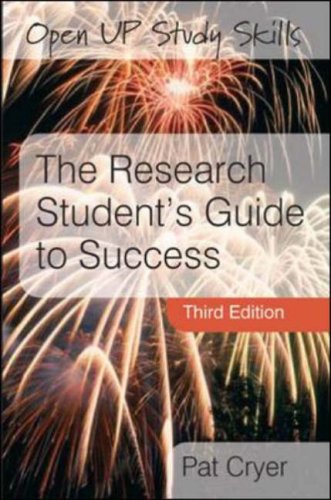
The Research Student s Guide to Success 3rd Edition by Pat Cryer ISBN 0335229638 9780335229635

Original price was: $50.00.$35.00Current price is: $35.00.
The Research Student s Guide to Success 3rd Edition by Pat Cryer – Ebook PDF Instant Download/Delivery: 0335229638, 9780335229635
Full download The Research Student s Guide to Success 3rd Edition after payment
Product details:
ISBN 10: 0335229638
ISBN 13: 9780335229635
Author: Pat Cryer
A must read for all research students! “The core material in Professor Cryer’s previous editions is classic. I welcome this new edition setting it into current contexts.” – PhD supervisor “When I was doing my own PhD, Pat Cryer’s book was my constant reference companion. Now I am recommending her latest edition to my own students.” – PhD supervisor Insightful, wide-ranging and accessible, this is an invaluable tool for postgraduate research students and for students at all levels working on research projects, irrespective of their field of study. This edition has been thoroughly revised to accommodate the changes in postgraduate education over recent years. Additional material and new emphases take into account: the QAA Code of Practice for Postgraduate Research Programmes recommendations of the Roberts Review the needs of the growing number of ‘overseas’ research students employment issues (including undergraduate teaching) the Internet as a resource for research. There are new chapters on: developing the research proposal succeeding as an ‘overseas’ research student ethics in research personal development planning (PDP)
The Research Student s Guide to Success 3rd Table of contents:
Part 1: Getting Started and Planning Your Research
-
Chapter 1: Deciding on Research and Choosing Your Programme
-
Why undertake a research degree?
-
Types of research degrees (PhD, MPhil, Professional Doctorates)
-
Choosing a topic and defining your research interests
-
Finding a supervisor and a research environment
-
Application processes and funding
-
-
Chapter 2: The Role of Your Supervisor and the Supervisory Relationship
-
Understanding the supervisor’s role and expectations
-
Your responsibilities as a research student
-
Establishing an effective working relationship
-
Communication strategies and managing expectations
-
Dealing with supervisory challenges
-
-
Chapter 3: Initial Planning and Structuring Your Research
-
Developing a research proposal
-
Setting initial goals and timelines
-
Understanding the stages of a research project
-
Creating a research plan or roadmap
-
Time management and organization strategies
-
Part 2: Conducting Your Research
-
Chapter 4: The Literature Review: Finding, Reading, and Synthesizing
-
Purpose and scope of the literature review
-
Effective search strategies (databases, keywords)
-
Critical reading and note-taking
-
Synthesizing information and identifying gaps
-
Organizing and writing the literature review
-
-
Chapter 5: Research Methodology: Choosing Your Approach
-
Qualitative, Quantitative, and Mixed Methods Approaches
-
Ethical considerations in research
-
Research design principles
-
Validity, reliability, and trustworthiness
-
-
Chapter 6: Data Collection Methods
-
Surveys and Questionnaires
-
Interviews and Focus Groups
-
Observation
-
Case Studies
-
Experimental Design
-
Secondary Data Analysis
-
-
Chapter 7: Data Analysis
-
Qualitative Data Analysis (Thematic Analysis, Grounded Theory)
-
Quantitative Data Analysis (Descriptive Statistics, Inferential Statistics)
-
Using Software for Data Analysis (e.g., NVivo, SPSS, R)
-
Interpreting and Presenting Findings
-
Part 3: Writing and Presenting Your Research
-
Chapter 8: The Art of Academic Writing for Research
-
Developing a clear and concise writing style
-
Structure of a thesis/dissertation (Introduction, Chapters, Conclusion)
-
Academic conventions (referencing, citations)
-
Avoiding plagiarism
-
The writing process: Drafting, revising, editing
-
-
Chapter 9: Crafting Your Chapters: From Outline to Final Draft
-
Writing the Introduction
-
Developing Methodological Chapters
-
Presenting Results/Findings
-
Discussing Implications and Limitations
-
Writing the Conclusion
-
-
Chapter 10: Preparing for the Viva Voce Examination
-
Understanding the purpose of the viva
-
Preparing your thesis for submission
-
Anticipating viva questions
-
Practicing your presentation and defense
-
Managing nerves and expectations
-
-
Chapter 11: Presenting Your Research Beyond the Thesis
-
Writing for Publication (Journal Articles, Conference Papers)
-
Presenting at Conferences and Seminars
-
Networking in Academia
-
Translating Research for Non-Academic Audiences
-
Part 4: Managing Your Research Journey and Well-being
-
Chapter 12: Managing Your Time and Productivity
-
Effective time management techniques
-
Setting realistic goals and avoiding procrastination
-
Maintaining motivation
-
Dealing with distractions
-
-
Chapter 13: Overcoming Obstacles and Maintaining Resilience
-
Common challenges (writer’s block, imposter syndrome, isolation)
-
Seeking support and feedback
-
Coping with setbacks and failures
-
Building resilience and perseverance
-
-
Chapter 14: Personal Well-being and Work-Life Balance
-
Importance of self-care
-
Managing stress and burnout
-
Maintaining physical and mental health
-
Balancing research with personal life
-
-
Chapter 15: Life After Your Research Degree
-
Career paths for research graduates (academia, industry, public sector)
-
Job searching and networking
-
Continuing professional development
-
Leveraging your research skills
-
People also search for The Research Student s Guide to Success 3rd:
the research student s guide to success
the research student’s guide to success pdf
the research student’s guide to success
student research guide
research to support study guide
the students guide to social neuroscience