
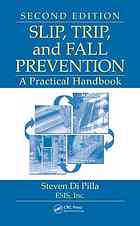
Slip trip and fall prevention 2nd Edition by Steven Di Pilla 1420082345 9781420082340

Original price was: $50.00.$35.00Current price is: $35.00.
Slip trip and fall prevention 2nd Edition by Steven Di Pilla – Ebook PDF Instant Download/Delivery: 1420082345, 978-1420082340
Full dowload Slip trip and fall prevention 2nd Edition after payment
Product details:
ISBN 10: 1420082345
ISBN 13: 978-1420082340
Author: Steven Di Pilla
More than one million people suffer from a slip, trip, or fall each year and 17,700 died as a result of falls in 2005. They are the number one preventable cause of loss in the workplace and the leading cause of injury in public places. Completely revised, Slip, Trip, and Fall Prevention: A Practical Handbook, Second Edition demonstrates how, with proper design and maintenance, many of these events can be prevented.
This well-illustrated and carefully researched volume covers standards and best practices for facility design, effective management control programs, test methods and standards relating to pedestrian safety, and slip resistance methods in the U.S. and abroad. It includes checklists, handouts, case studies, rich online resources, and an extensive bibliography.
See what’s new in the Second Edition:
- Enhanced photographs and tables, profiles of online resources, updated examples, case studies, and sidebars
- A new chapter on the unique hazards and controls to protect staff and patrons in food service
- A new chapter on known parameters and causes of patient falls, assessment methods, and methods for reduction of staff falls
- Discussion of flooring and floor maintenance, cleaning products and methods, outsourcing, and maintenance
- Coverage of management controls, a holistic approach to integrating slip/fall prevention controls into existing functions, hazard mapping, and electronic inspection systems
- Physical aspects of rubber walkways surfaces, expanded floor mats, new stairway statistics, visibility, and design
- Roughness measurements, perception of slipperiness, overseas standards, profiles of high risk industries, and accident investigation
Contrary to popular belief, most slips and falls are not due to carelessness. This handbook examines the many options available in the design and maintenance of facilities that can reduce or eliminate the potential for slips and falls.
Slip trip and fall prevention 2nd Table of contents:
Physical Evaluation
- Overview: Methods and techniques used to assess physical surfaces, focusing on aspects like friction and safety.
- Slip Resistance: The evaluation of how resistant a surface is to slipping, often measured through specific tests and tools.
- Importance: Understanding how physical evaluation contributes to creating safe environments in various settings such as workplaces, public spaces, and commercial areas.
Management Controls
- Overview: How organizations implement control mechanisms to ensure safety and compliance with regulations.
- Monitoring and Assessment: The role of management in regularly evaluating conditions to mitigate risks and ensure worker or public safety.
- Risk Mitigation: How control systems are designed to identify potential hazards, manage risks, and establish corrective actions.
Principles of Slip Resistance
- Definition and Importance: Understanding what makes a surface slip-resistant, including material properties, texture, and environmental factors.
- Key Principles: Factors that influence slip resistance such as surface roughness, moisture levels, and wear over time.
- Measurement Methods: Techniques used to quantify slip resistance (e.g., static and dynamic coefficients of friction).
US Tribometers
- Function and Use: Tribometers are devices used to measure friction on surfaces. Their role in evaluating slip resistance in various environments.
- Types of Tribometers: Examples include pendulum, incline plane, and other surface friction testers commonly used in the U.S.
- Applications: Tribometers are used in industries like construction, transportation, and healthcare to ensure safe flooring and surfaces.
US Standards and Guidelines
- OSHA and ANSI Standards: Key regulations that govern safety standards for slip resistance in the U.S., including OSHA regulations and the American National Standards Institute (ANSI) guidelines.
- Testing Procedures: Guidelines on how to properly test surfaces for slip resistance using approved methods.
- Compliance Requirements: How businesses and industries must adhere to these standards to ensure workplace safety and reduce accidents.
Flooring and Floor Maintenance
- Flooring Types: The different materials used in flooring (e.g., tile, vinyl, wood, carpet) and their varying levels of slip resistance.
- Maintenance Practices: Best practices for floor maintenance, such as cleaning, polishing, and resealing, to maintain slip resistance.
- Preventative Measures: Approaches to preventing slips and falls through proper flooring selection and maintenance.
Overseas Standards
- International Guidelines: A comparison of U.S. standards with those of other countries such as Europe, Japan, and Australia.
- Global Safety Measures: How international standards for slip resistance differ, and the global efforts to standardize safety protocols.
- Challenges: Addressing the complexities of compliance in multi-national operations and adapting practices across different regions.
Footwear
- Role in Slip Resistance: The importance of footwear in preventing slips, including the role of shoe materials, tread patterns, and sole design.
- Industry-Specific Footwear: How different industries (e.g., healthcare, foodservice, construction) require specific footwear designs to enhance safety.
- Footwear Testing: Standards for evaluating the slip resistance of footwear to ensure proper safety in various environments.
Food Service Operations
- Slip and Fall Risks: Specific risks associated with slip and fall accidents in food service environments due to wet floors, spills, and food debris.
- Precautionary Measures: Strategies to reduce the risks, such as using non-slip mats, regular floor cleaning, and proper footwear.
- Training and Safety Protocols: The importance of staff training in managing floor safety and responding to accidents.
Healthcare Operations
- Healthcare Environments: The unique slip resistance challenges in healthcare settings like hospitals, nursing homes, and clinics.
- Slip Resistance Requirements: The need for floors that are both slip-resistant and easy to sanitize in medical environments.
- Patient and Staff Safety: How the safety of both healthcare workers and patients is paramount, including specific measures to address falls in high-risk areas such as operating rooms and hallways.
Profiles of Other High-Risk Industries
- Construction: Discussing the slip hazards on construction sites, including the use of scaffolding, ladders, and uneven terrain.
- Manufacturing: The slip risks in industrial settings with heavy machinery, chemicals, and wet conditions.
- Transportation: Ensuring slip-resistant surfaces in transportation hubs, including airports, rail stations, and bus terminals.
Accident Investigation
- Slip and Fall Incidents: A detailed approach to investigating slip and fall accidents, from identifying the cause to evaluating the circumstances leading to the accident.
- Root Cause Analysis: Techniques used to determine the underlying factors contributing to the accident, such as flooring issues, environmental factors, or lack of maintenance.
- Reporting and Prevention: How thorough accident investigation helps in creating better safety measures and preventing future incidents.
People also search for Slip trip and fall prevention 2nd:
5 ways to prevent slips trips and falls
how can we prevent slips trips and falls
what should you do to prevent slips trips and falls
slip trip and fall prevention policy
fall prevention examples
Tags:
Steven Di Pilla,Slip trip,fall,prevention 2nd