
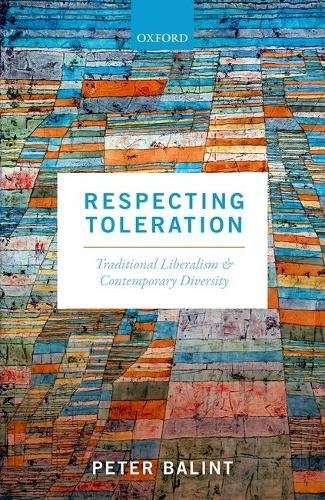
Respecting toleration traditional liberalism and contemporary diversity First Edition by Peter Balint – Ebook PDF Instant Download/Delivery: 978-0198758594, 0198758596
Full download Respecting toleration traditional liberalism and contemporary diversity First Edition after payment

Product details:
ISBN 10: 0198758596
ISBN 13: 978-0198758594
Author: Peter Balint
The question of toleration matters more than ever. The politics of the twenty-first century is replete with both the successes and, all too often, the failures of toleration. Yet a growing number of thinkers and practitioners have argued against toleration. Some believe that liberal democracies are better served by different principles, such as respect of, or recognition for, people’s ways of life. Others argue that because the liberal state should be entirely neutral or indifferent towards people’s ways of life, it can no longer be tolerant – it has no grounds on which it can object, and so there is nothing left to tolerate.
Respecting Toleration provides a new, original, and provocative take on the question of toleration and its application to the politics of contemporary diversity. Peter Balint argues for both the conceptual coherence and normative desirability of toleration and neutrality. He argues that it is these principles which best realise the basic liberal good of people living their lives as they see fit, rather than appealing to principles of recognition or respect for difference. While those who criticised liberalism’s failings in dealing with the claims of diversity had justification, it is the tenets of traditional liberalism that hold the answer. Respecting Toleration argues that if one cares about people living divergent lives, then it is liberal toleration that should be respected by legislators and policy makers, and not people’s differences.
Table of contents:
1. A Tolerant Society
Three Challenges for Toleration
Diversity
Accommodating Diversity
Justifying Toleration
Traditional Liberalism and Toleration
Two Types of Agent: State and Citizen
The Role of Principles
Outline of the Book
2. Understanding Political Toleration
Being ‘Tolerant’
Specific Acts of Tolerance
Toleration as a General Political Practice
Toleration and State Neutrality
Further Challenges to Political Toleration
Understanding State Objection
Locating State Power
The ‘Symmetry Thesis’
Alternative Solutions to the Problem of Political Toleration
Separating the Site of Power from the Site of Objection
Transformative Ideals
The ‘Respect Conception’ of Toleration
Conclusion
3. Active Indifference: A Neutral and Accommodating State
Challenging Neutrality
Conceptions of Neutrality
Why Care about Neutrality?
Active Indifference
Why ‘Hands Off’ Is Better than ‘Hands On’
Identity and Recognition
Not Distinguishing between Mere Preferences and Deeply
Held Beliefs
Conclusion
ments
4. Tolerance and the Citizen
An Act of Tolerance
Objecting to Some Thing
The Power (Including Both Opportunity and Willingness) to Interfere Negatively with the Thing or Its Holder
Intentionally Not Negatively Interfering with the Thing or
Its Holder
Reducing Intolerance
Tolerance and the State
A Tolerant Disposition
Conclusion
5. Against Respecting Each Others’ Differences
An Obligation to Respect Difference?
Appraisal Respect for Difference
Recognition Respect for Difference
Directly Respecting Particular Differences
Respect-for-Persons Entailing Respect for Difference
Trying to Respect
Being Deemed ‘Respect-worthy’
Tolerance and Respect
Conclusion
6. Practising Toleration
The Weightiness of Neutrality
Welfare Redistribution
Defending the Nation
Dealing with Difference
Mosques
Driver’s Licence Photos
Discretion
Indigeneity
The Boundaries of Toleration
Conclusion
7. Conclusion
People also search for:
respecting toleration traditional
traditional tolerance
respecting to
traditional respect
respecting the beliefs of others
Tags: Peter Balint, Respecting toleration, traditional liberalism, contemporary diversity