
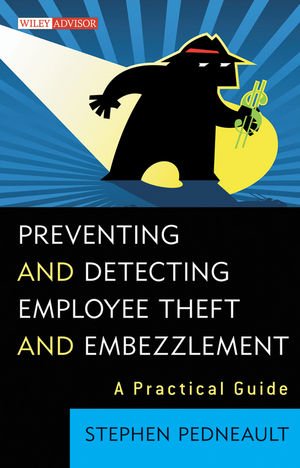
Preventing and detecting employee theft and embezzlement a practical guide 1st Edition by Stephen Pedneault ISBN 0470545712 978-0470545713


Original price was: $50.00.$35.00Current price is: $35.00.
Preventing and detecting employee theft and embezzlement a practical guide 1st Edition by Stephen Pedneault – Ebook PDF Instant Download/Delivery: 0470545712, 978-0470545713
Full download Preventing and detecting employee theft and embezzlement a practical guide 1st Edition after payment
Product details:
ISBN 10: 0470545712
ISBN 13: 978-0470545713
Author: Stephen Pedneault
“If you don’t think that some employees have figured out ingenious ways to steal from businesses, read this book. The real-life examples will change your mind.” Joseph T. Wells, CFE, CPA, founder and Chairman, Association of Certified Fraud Examiners
“An easy-to-read, but comprehensive step-by-step approach that covers every potential area for employee fraud and embezzlement. Great checklists at the end of each chapter show what steps to put into place for controls and protection. Includes real-life examples that really ‘bring the story home.’ ” Jean L. Conover, CPA, past CEO/CFO, Jefferson Radiology PC
“This book is a must-read for seasoned entrepreneurs as well as those considering entering their own business venture. While developed for small business, the risk detection and prevention methodologies presented by Mr. Pedneault are universal to all businesses. The concise checklists provide ready guidance for establishing a complete system of controls.”Denise H. Armstrong, CPA, Chief Financial Officer, Sea Research Foundation, Inc. d/b/a Mystic Aquarium and Institute for Exploration
“This book is a must for every individual owning their own business. Mr. Pedneault clearly articulates the fraud risks that occur in each business system. In the book, he offers practical advice for internal controls and illustrates the risks with real-life examples.”Leonard W. Vona, President, Fraud Auditing, Inc.
Table of contents:
Chapter 1: Hiring the Right Employees
1.1. Disclaimer
1.2. Where Do You Start?
1.3. Advice of Counsel
1.4. Application Policy
1.5. Due Diligence
1.6. Personal Information
1.7. Past Employment
1.8. Education
1.9. References
1.10. Criminal and Civil History Checks
1.11. Credit Checks
1.12. Hiring Time
1.13. Hiring the Right Employees: Considerations
Chapter 2: Know Your Employees
2.1. Why Is Knowing Your Employees Important?
2.2. Open Communications
2.3. What Should You Watch for in Your Employees?
2.4. Know Your Employees: Considerations
Chapter 3: Sales, Cash Receipts, and Collections
3.1. Here’s Where Everything Starts
3.2. Recording and Tracking Sales
3.3. Collections
3.4. Debit Memos and Other Adjustments
3.5. Accounts Receivable
3.6. Sales, Cash Receipts, and Collections: Considerations
Chapter 4: Credit Card Sales, Transactions, and Merchant Statements
4.1. Processing Sales
4.2. Reconciling Sales
4.3. Processing Refunds or Credits
4.4. Reviewing and Reconciling Refunds or Credits
4.5. Reviewing and Reconciling the Merchant Statement
4.6. Credit Card Sales, Transactions, and Merchant Statements: Considerations
Chapter 5: Purchases, Cash Disbursements, Checks, and Petty Cash
5.1. Purchases
5.2. Cash Disbursements/Checks
5.3. Unpaid Bills/Accounts Payable
5.4. Petty Cash
5.5. Purchases, Cash Disbursements, Checks, and Petty Cash: Considerations
Chapter 6: Credit Cards and Debit Cards
6.1. Credit Cards
6.2. Debit Cards
6.3. Credit Cards and Debit Cards: Considerations
Chapter 7: Employee Expense Reimbursement
7.1. Expense Submission
7.2. Where Are the Abuses?
7.3. Payment Processing
7.4. Employee Expense Reimbursement: Considerations
Chapter 8: Electronic Banking
8.1. Traditional Banking (In-Person Deposits and Manual Check Writing)
8.2. Check Processing and Clearing Changes
8.3. Changes in Bank Deposits
8.4. ATMs
8.5. Online Banking
8.6. What Can You Do?
8.7. Electronic Banking: Considerations
Chapter 9: Payroll Processing
9.1. Payroll Administration: Adding/Changing/Terminating
9.2. Payroll Processing
9.3. Payroll Tax Returns
9.4. Payroll Processing: Considerations
Chapter 10: Inventory Issues and Controls
10.1. Prevention: Good News and Bad News
10.2. Retail Businesses: Items Available for Sale
10.3. All Businesses: Items for Use by Employees (Supplies, Tools, and Equipment)
10.4. Detection
10.5. Inventory Issues and Controls: Considerations
Chapter 11: Bank Statements, Canceled Checks, and Reconciliations
11.1. Bank Statements
11.2. Investment Account Statements
11.3. Canceled Checks
11.4. Bank Reconciliations
11.5. Bank Statements, Canceled Checks, and Reconciliations: Considerations
Chapter 12: Financial Reports
12.1. Generate Financial Reports Regularly
12.2. Why Is the Regular Review of Financial Reports So Important?
12.3. When to Consider Outside Advice and Assistance
12.4. Financial Reports: Considerations
Chapter 13: Safeguarding Your Bookkeeping or Accounting Systems
13.1. Manual Bookkeeping Systems
13.2. Computerized Bookkeeping and Accounting Systems
13.3. QuickBooks Users
13.4. Safeguarding Your Bookkeeping or Accounting Systems: Considerations
Chapter 14: Prevention, Detection, and Insurance
14.1. Timing Is Everything
14.2. Adequacy of Coverage
14.3. Responsibilities for a Claim
14.4. Disclaimer
14.5. Prevention, Detection, and Insurance: Considerations
Chapter 15: Your Response to an Identified or Potential Issue
15.1. A Dreaded Day of Discovery
15.2. Due Diligence on the Discovery
15.3. What If It Appears to Be Fraud?
15.4. Your Response to an Identified or Potential Issue: Considerations
Appendix A: Embezzlement Controls for Business Enterprises
Appendix B: Who Was Lester Amos Pratt?
About the Author
Index
People also search for:
preventing theft in the workplace
prevent employees from stealing data
preventing and detecting employee theft and embezzlement
how to prevent theft at workplace
employee theft can be prevented by
Tags: Stephen Pedneault, Preventing and detecting, employee theft, a practical guide