
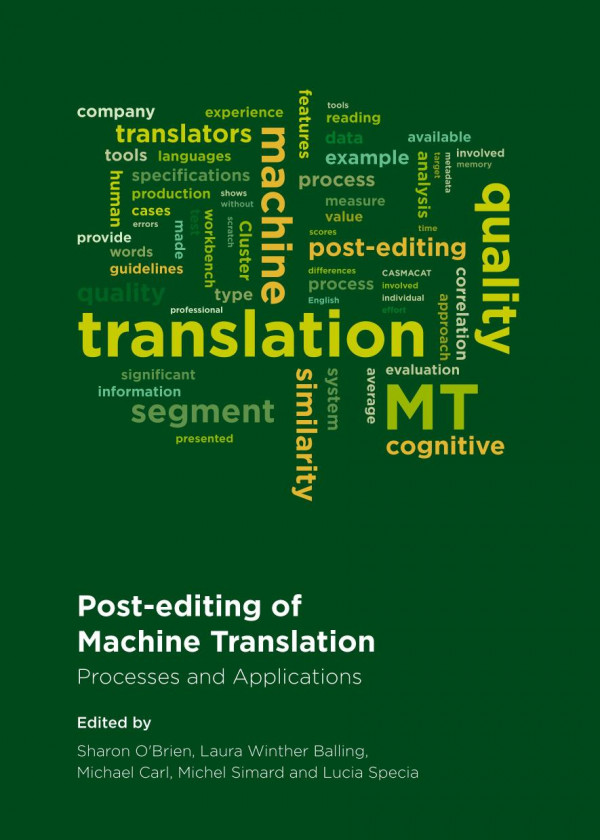
Post editing of Machine Translation Processes and Applications 2014th Edition by Laura Winther Balling, Michael Carl, Sharon O’Brian 144385476X 9781443854764


Original price was: $50.00.$35.00Current price is: $35.00.
Post editing of Machine Translation Processes and Applications 2014th Edition by Laura Winther Balling, Michael Carl, Sharon O’Brian – Ebook PDF Instant Download/Delivery: 144385476X, 978-1443854764
Full dowload Post editing of Machine Translation Processes and Applications 2014th Edition after payment
Product details:
ISBN 10: 144385476X
ISBN 13: 978-1443854764
Author: Laura Winther Balling, Michael Carl, Sharon O’Brian
Post editing of Machine Translation Processes and Applications 2014th Table of contents:
-
Chapter 1: Theoretical Foundations of Post-editing
- Definition and scope of post-editing
- The role of post-editing in the translation process
- Cognitive processes in post-editing: How translators interact with machine-generated translations
- Key factors influencing the effectiveness of post-editing (e.g., translation quality, linguistic challenges)
-
Chapter 2: Types of Post-editing
- Full post-editing vs. light post-editing
- Post-editing strategies: Correcting errors vs. improving style
- Criteria for choosing the appropriate post-editing approach based on the context and target audience
-
Chapter 3: Post-editing Tasks and Techniques
- Types of errors typically found in machine-generated translations
- Common post-editing techniques for correcting errors
- Strategies for improving fluency and readability in post-edited texts
- Handling domain-specific language and terminology
-
Chapter 4: Post-editing in Practice
- Case studies of post-editing in different translation settings
- The role of post-editing in professional translation workflows
- Tools and software used for post-editing (e.g., MT systems, CAT tools)
- Efficiency and productivity metrics in post-editing
-
Chapter 5: Evaluation of Post-edited Machine Translation
- Methods for evaluating the quality of post-edited translations
- Metrics for measuring post-editing effort and quality (e.g., edit distance, post-editing time)
- Human vs. machine evaluation of post-edited text
- The impact of post-editing on translation quality in real-world applications
-
Chapter 6: Post-editing and Translation Technologies
- The role of artificial intelligence and neural machine translation in shaping post-editing practices
- Integration of post-editing tools with machine translation systems
- Innovations in MT and their impact on post-editing workflows
- The future of post-editing in a rapidly evolving translation technology landscape
-
Chapter 7: Post-editing in Professional Domains
- Post-editing in specialized translation fields (e.g., legal, medical, technical translation)
- Challenges and strategies for post-editing in highly specialized domains
- Customizing MT systems for domain-specific needs
- Quality control in post-editing for high-stakes translations
-
Chapter 8: Training Post-editors
- Training requirements for post-editors: Skills and knowledge
- Best practices for post-editing training programs
- Tools and resources for post-editing training
- The role of post-editing training in the professional development of translators
-
Chapter 9: Post-editing and Its Future
- Trends in machine translation and their implications for post-editing
- Post-editing and the impact of MT on the translation profession
- The future of post-editing: Automation, human involvement, and new technologies
People also search for Post editing of Machine Translation Processes and Applications 2014th:
post-editing of machine translation processes and applications pdf
post editing machine translation
post-editing of machine translation processes and applications
machine translation post editing
machine translation post editing rates
Tags:
Laura Winther Balling,Michael Carl,Sharon O’Brian,Post,editing,Machine,Translation,Processes,Applications 2014th