
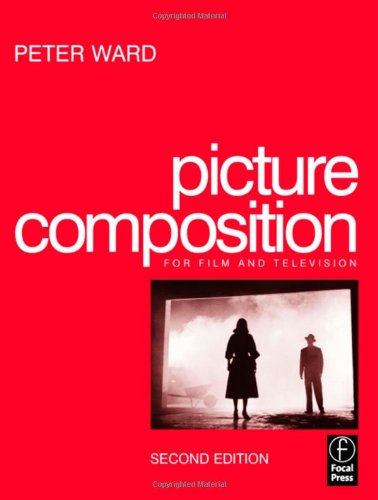
(Ebook PDF) Picture composition for film and television 2nd Edition by Peter Ward 0240516818 9780240516813 Full chapter
Original price was: $50.00.$35.00Current price is: $35.00.
Picture composition for film and television 2nd Edition by Peter Ward – Ebook PDF Instant Download/Delivery: 0240516818, 978-0240516813
Full dowload Picture composition for film and television 2nd Edition after payment
Product details:
ISBN 10: 0240516818
ISBN 13: 978-0240516813
Author: Peter Ward
Based on the author’s own practical experience, the book deals with the methods available for resolving practical production questions such as:
Does the shot composition accurately reflect the idea that initiated the shot?
Will the content and method of presenting the subject accurately convey the idea?
Major innovations in television and film production since the previous edition have affected the styles of composition, such as wide-screen and the use of mini DV cameras. These new technologies and their implications for picture composition are addressed in this new edition. A new colour plate section is also being included to update the section on colour.
If you are a practising camera operator, trainee camera operator, student or lecturer on a television or film production course, or simply a video enthusiast wishing to progress to a more professional standard you will find this book essential in enhancing the quality of your work.
Picture composition for film and television 2nd Table of contents:
1. Invisible Technique
- Learning the ropes
- A moving photograph
- Continuity cinema
- The shot
- The creation of ‘invisible’ technique
- Standard camerawork conventions
- Realistic representation
- Mechanical reproduction
- Framing a shot
- Composition
- Does the shot work?
- Intuition
- ‘I see what you mean!’
- Why composition is important
- Control of composition
- Visual design techniques
- Cultural influences
- Changing fashions
- Summary
2. Alternative Technique
- Jump cuts
- Alternatives
- It’s magic
- Realism and imagination
- The film moment is always now
- Why people dislike the rejection of Standard Conventions
- Storytelling
- Don’t wake me up
- Definition of alternative conventions
- Conventions
- Summary
3. The Lens, the Eye, and Perception
- Introduction
- The imprint of the lens
- The eye and a lens
- Size constancy
- How do we understand what we are looking at?
- Characteristics of perception
- Summary
4. The Lens and Perspective
- Perception and depth
- Depth indicators and their relationship to the lens
- Focal length
- Angle of view
- Depth-of-field
- fno
- Zoom
- Focus
- The structural skeleton of a shot
- Horizon line and camera height as a compositional device
- Controlling space with choice of lens angle/camera distance
- The internal space of a shot
- Production style and lens angle
- Estimating distance
- Accentuating depth
- Summary
5. Visual Design
- Introduction
- Movement
- Sound
- Controlling composition
- Design techniques
- Grouping and organization
- Balance
- Figure and ground
- Shape
- Line
- Rhythm and visual beat
- Pattern
- Interest
- Direction
- Colour
- Scale
- Abstraction
- Understanding an image
- Summary
6. Frame
- Composition and the frame
- Frame – an invisible focus of power
- Static viewpoint
- A hard cut-off
- Limited depth and perspective indicators
- Monochrome
- The edge of the frame as a reference
- Frames within frames
- A second frame
- Frame and divided interest
- Summary
7. The Shape of the Screen
- Aspect ratio
- The shape of the screen and composition
- Viewfinder as an editing tool
- Could it have been different?
- The invention of a world format standard
- Widescreen returns
- Design of the TV aspect ratio
- HDTV
- The need for a universal video format
- 16:9 television widescreen
- A reasonable compromise between competing aspect ratios
- The divine proportion
- Widescreen – the shape of a banknote
- Summary of film and television formats mentioned
8. Widescreen Composition and Film
- Finding ways to compose for the new shape
- Widescreen advantages
- Selling off the redundant format
- Pan and scan
- Cinematographers alarmed
- Boom in shot
- The growth of multiplexes
- Common topline and super 35
- Summary
9. Widescreen Composition and TV
- Introduction
- Letterboxing
- Aspect ratio conversion
- Protect and save
- Shooting for two formats
- Composing for 16:9
- Fidgety zooms
- Transitional period
- The viewer takes control
- Inserting 4:3 material into a 16:9 production
- Compilation programmes
- Distortion and definition
- Widescreen equals spectacle
- Screen size
- Endnote, or in a different aspect ratio, NDNOT
- Summary
10. Past Influences
- Intuition
- Early influences
- The Rule of Thirds
- More recent influences
- Summary
11. News and Documentary
- Fact and fiction
- Realism and fantasy
- Film as illusion
- Objectivity
- Record versus comment
- Operational awareness
- Realistic camerawork
- Technology as an aid to ‘realism’
- Documentary programmes
- Professionalism
- Engaging the attention of the audience
- Summary
12. Composition Styles
- Visual styles
- Style and technique
- Technological development
- Staging the artistes
- Studio or location shooting
- Shot structure and editing
- Stylistic flourishes
- Multi-camera live television conventions
- The introduction of the zoom and television picture composition
- Portable cameras
- Customary technique
- Genre
- Summary of the history of style
13. Lighting and Composition
- The key pictorial force
- Gradations of brightness
- Contrast range
- Exposure
- Characteristics of light
- Lighting technique
- Past influences
- Controlled lighting and composition
- Naturalism and found light
- Television lighting
- Any two from cheap, good or fast – but not all three
- Expressing an idea through an image
- Decorative lighting
- Summary
14. Colour
- How the eye sees colour
- White balance
- Colour correction
- Colour as subject
- Monochrome
- Colour and composition
- Colour symbolism
- Summary
15. Staging
- Introduction to staging
- Where shall I stand?
- What is staging?
- Staging people and staging action
- Figure composition
- Working at speed
- Summary
16. Movement
- Camera movement
- Invisible movement
- The development shot
- Accentuating the effect of camera movement
- Summary
17. Shooting for Editing
- Invisible stitching
- Selection and structure
- Basic editing conventions
- Selection and editing
- Telling a story – fact and fiction
- News – unscripted shot structure
- Variety of shot
- Recap on basic advice for shooting for editing
- Interviews
- How long should a shot be held?
- Basic editing principles
- Types of edit
- Emphasis, tempo and syntax
- Multi-camera camerawork
- Dance and composition
People also search for Picture composition for film and television 2nd:
peter ward picture composition for film and television
what is film and television production
composition film examples
types of film composition
film photography composition
Tags:
Peter Ward,Picture,composition,film,television 2nd