
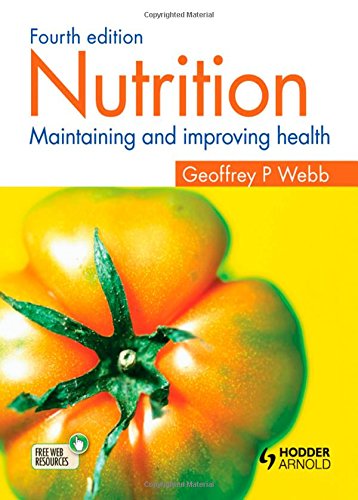
Nutrition 4E Maintaining and Improving Health 4th Edition by Geoffrey Webb ISBN 978-1444142464 1444142461
Original price was: $50.00.$35.00Current price is: $35.00.
Nutrition 4E Maintaining and Improving Health 4th Edition by Geoffrey P. Webb- Ebook PDF Instant Download/Delivery: 978-1444142464, 1444142461
Full download Nutrition 4E Maintaining and Improving Health 4th Edition after payment
Product details:
ISBN 10: 1444142461
ISBN 13: 978-1444142464
Author: Geoffrey P. Webb
The fourth edition of Nutrition: maintaining and improving health continues to offer wide-ranging coverage of all aspects of nutrition, including:
- Nutritional assessment
- Epidemiological and experimental methods used in nutrition research
- Social aspects of nutrition
- The science of food as a source of energy and essential nutritients
- Variation in nutritional needs and priorities at different stages of the life-cycle
- Hospital malnutrition
- The use of dietary supplements and functional foods
Completely updated, this accessible textbook offers a comprehensive guide to the roles of diet in causing, preventing, and even treating chronic disease and maintaining good health. The importance of improving health is a guiding principle throughout the book and is underpinned by health promotion theory.
This is essential reading for all nutrition and dietetics students, including those studying nutrition modules as part of food science, catering, or health care courses.
Table of contents:
PART 1 CONCEPTS AND PRINCIPLES
1. Changing priorities for nutrition education
Identification of the essential nutrients
Adequacy: the traditional priority in nutrition
The current priority: diet as a means to health promotion or disease prevention
Is intervention to induce dietary change justified?
Effecting dietary change
Concluding remarks
2. Food selection
Introduction and aims of the chapter
The biological model of food
Dietary and cultural prejudice
Food classification systems
Non-nutritional uses of food
The hierarchy of human needs
A model of food selection: the ‘hierarchy of availabilities’ model
Physical availability
Economic availability
Cultural availability
“Gatekeeper’ limitations on availability
3. Methods of nutritional assessment and surveillance
Introduction and aims of the chapter
Strategies for nutritional assessment
Measurement of food intake
Tables of food composition
Dietary standards and nutrient requirements
Clinical signs for the assessment of nutritional status
Anthropometric assessment in adults
Anthropometric assessment in children
Estimating fatness in animals
Biochemical assessment of nutritional status
Measurement of energy expenditure and metabolic rate
4. Methods to establish links between diet and chronic disease
Introduction and aims of the chapter
Strategic approaches: observational versus experimental
Features and problems of epidemiological methods
Cross-cultural comparisons
Time trends
Migration studies
Cohort studies
Case-control studies
Cross-sectional studies
“Experiments’ of nature
Animal experiments
Human experimental studies
In-vitro studies
Scientific honesty
5. Dietary guidelines and recommendations
The range of ‘expert reports and their consistency
Variations in the presentation of guidelines and recommendations
“Food’ recommendations
Energy and body weight
Recommendations for fats, carbohydrates, protein and salt
Alcohol
How current UK diets compare with ‘ideal’ intakes
Other nutrients
Willingness to change
Some barriers to dietary change
Aids to food selection
Concluding remarks
6. Cellular energetics
Introduction and aims of the chapter
Overview of metabolism
Metabolism of glucose and the monosaccharides
Metabolism of fatty acids and glycerol
Metabolism of amino acids
The pentose phosphate pathway
Overview of macronutrient handling in the gut
PART 2 – ENERGY, ENERGY BALANCE AND OBESITY
7. Introduction to energy aspects of nutrition
Sources of energy
Units of energy
How energy requirements are estimated
Variation in average energy requirements: general trends
Energy content of foods
Sources of dietary energy by nutrient
Energy density
Nutrient density
Sources of dietary energy by food groups
Starvation
Eating disorders
Cancer cachexia
8. Energy balance and its regulation
The concept of energy balance
Physiological regulation of energy balance
The ‘set point’ theory
Is energy expenditure regulated?
External influences on food intake
Control of energy intake
The leptin story
9. Obesity
Defining obesity
Prevalence of obesity
Consequences of obesity
The metabolic syndrome or ‘syndrome X’
Causes of obesity
Prevention and treatment of obesity in populations
Obesity treatment in individuals
“Aggressive’ treatments for obesity
PART 3 – THE NUTRIENTS
10. Carbohydrates
Introduction
Nature and classification of carbohydrates
Dietary sources of carbohydrates
Sugars
Artificial sweeteners
Diet and dental health
Starches
Non-starch polysaccharide
Resistant starch
The glycaemic index
Dietary factors in the aetiology of bowel cancer
Dietary factors in heart disease
11. Protein and amino acids
Introduction
Chemistry and digestion
Intakes, dietary standards and food sources
Nitrogen balance
Protein quality
The significance of protein in human nutrition
Concluding remarks
12. Fats
Nature of dietary fat
Types of fatty acid
Sources of fat in the human diet
Roles of fat in the diet
Blood lipoproteins
Digestion, absorption and transport of dietary lipids
Transport of endogenously produced lipids
The diet-heart hypothesis
Fish oils
Other natural oils used as supplements
13. The micronutrients
Scope of this chapter
Overview of dietary supplements
Food fortification
Assessment of the micronutrient adequacy of British adults
Anti-oxidants and the oxidant theory of disease
Do high anti-oxidant intakes prevent heart disease, cancer and other chronic diseases?
Use of substances other than essential nutrients as dietary supplements
14. The vitamins
General concepts and principles
Vitamin A (retinol)
Vitamin D (cholecalciferol)
Vitamin E (a-tocopherol)
Vitamin K (phylloquinone)
Thiamin (vitamin B,)
Riboflavin (vitamin B₂)
Niacin (vitamin B,)
Vitamin B, (pyridoxine)
Vitamin B12 (cobalamins)
Folate or folic acid (vitamin B₂)
Biotin
Pantothenic acid
Vitamin C (ascorbic acid)
15. The minerals
Introduction
Chromium
Copper
Fluoride
Magnesium
Manganese
Molybdenum
Phosphorus
Potassium
Selenium
Zinc
lodine and iodine-deficiency diseases
Iron and iron-deficiency anaemia
Calcium storage and uptake
Calcium and bone health
Sodium and disease
Review of evidence for a salt-hypertension link
PART 4 – VARIATION IN NUTRITIONAL REQUIREMENTS AND PRIORITIES
16. Nutrition and the human lifecycle
Introduction
Nutritional aspects of pregnancy
Lactation
Infancy
Childhood and adolescence
The elderly
17. Nutrition as treatment
Diet as a complete therapy
Diet as a specific component of therapy
Malnutrition in hospital patients
18. Some other groups and situations
Vegetarianism
Racial minorities
Nutrition and physical activity
PART 5 – THE SAFETY AND QUALITY OF FOOD
19. The safety and quality of food
Aims of the chapter
Consumer protection
Food poisoning and the microbiological safety of food
Bovine spongiform encephalopathy
Food processing
The chemical safety of food
Functional foods
People also search for:
b nutrition
c4 nutrition facts can
c4 nutrition information
c4 nutrition facts caffeine
c4 nutrition facts
Tags: Geoffrey Webb, Nutrition 4E, Maintaining and Improving