
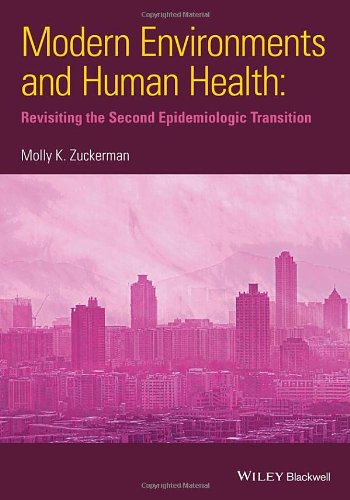
Modern environments and human health revisiting the second epidemiological transition 1st Edition by Molly Zuckerman ISBN 1118504208 9781118504208


Original price was: $50.00.$35.00Current price is: $35.00.
Modern environments and human health revisiting the second epidemiological transition 1st Edition by Molly Zuckerman – Ebook PDF Instant Download/Delivery: 1118504208, 9781118504208
Full download Modern environments and human health revisiting the second epidemiological transition 1st edition after payment
Product details:
ISBN 10: 1118504208
ISBN 13: 9781118504208
Author: Molly Zuckerman
Written in an engaging and jargon-free style by a team of international and interdisciplinary experts, Modern Environments and Human Health demonstrates by example how methods, theoretical approaches, and data from a wide range of disciplines can be used to resolve longstanding questions about the second epidemiological transition. The first book to address the subject from a multi-regional, comparative, and interdisciplinary perspective, Modern Environments and Human Health is a valuable resource for students and academics in biological anthropology, economics, history, public health, demography, and epidemiology.
Modern environments and human health revisiting the second epidemiological transition 1st Table of contents:
Chapter 1: Introduction
Introduction
The Demographic and Epidemiologic Transitions
Conclusion
References
Part 1: Causes of the Second Epidemiologic Transition
Chapter 2: Infectious Disease in Philadelphia, 1690–1807
Introduction
Background
Smallpox, Measles, and Yellow Fever: The Consequences of Dense Urban Living
Conclusion
References
Chapter 3: Modeling the Second Epidemiologic Transition in London:
Introduction
Materials and Methods
Results
Discussion
Conclusion
Acknowledgments
References
Chapter 4: The Wider Background of the Second Transition in Europe:
Introduction
Background
Methods and Materials
Results
Conclusion
References
Chapter 5: The Epidemiological Transition in Practice:
Introduction
Conclusion
References
Part 2: Epidemic Infectious Disease and the Second Epidemiologic Transition
Chapter 6: Agent-Based Modeling and the Second Epidemiologic Transition
Introduction
Background
The Model
Analysis of the Model
Advantages of Agent-Based Modeling in Studies of the Second Epidemiologic Transition
Conclusion
References
Chapter 7: Does Exposure to Influenza Very Early in Life Affect Mortality Risk during a Subsequent Outbreak? The 1890 and 1918 Pandemics in Canada
Introduction
Background
Materials and Methods
Results
Discussion
Conclusion
References
Part 3: Regional and Temporal Variation in the Second Epidemiologic Transition
Chapter 8: The Second Epidemiologic Transition in Western Poland
Introduction
Background
Materials and Methods
Results and Discussion
Conclusion
References
Chapter 9: The Timing of the Second Epidemiologic Transition in Small US Towns and Cities
Introduction
Materials and Methods
Results
Discussion
Conclusions
References
Chapter 10: Industrialization and the Changing Mortality Environment in an English Community during the Industrial Revolution
Introduction
Background
Materials and Methods
Results and Discussion
Conclusion
References
Part 4: Marginalized and Underrepresented Communities in the Second Epidemiologic Transition
Chapter 11: Short Women and Their Stagnating Growth
Introduction
Background
Methods and Materials
Results and Discussion
Conclusion
Acknowledgments
References
Chapter 12: Tracking the Second Epidemiologic Transition Using Bioarchaeological Data on Infant Morbidity and Mortality
Introduction
Background
Case Study: Infant Morbidity and Mortality during the Second Epidemiologic Transition
Materials
Methods
Results
Discussion
The Age of Pestilence and Famine?
Conclusion
References
Chapter 13: The Biological Effects of Urbanization and In-Migration on 19th-Century-Born African Americans and Euro-Americans of Low Socioeconomic Status
Introduction
Background
Materials, Methods, and Urban Settings
Results
Discussion
Conclusion
References
Part 5: The Environment and the Second Epidemiologic Transition
Chapter 14: Reassessing the Good and Bad of Modern Environments
Introduction
Background
Conclusion
References
Chapter 15: Childhood Lead Exposure in the British Isles during the Industrial Revolution
Introduction
Background
Materials and Methods
Skeletal Material
Results
Discussion
Conclusion
Acknowledgments
References
Chapter 16: The Hygiene Hypothesis and the Second Epidemiologic Transition
Introduction
Background
Conclusion: Incorporating the Hygiene Hypothesis into Investigations of the Second Epidemiologic Transition
References
Chapter 17: Comparative Parasitological Perspectives on Epidemiologic Transitions
Introduction
The First Epidemiologic Transition in Europe and the Americas
Case Study: The First and Second Parasitic Epidemiologic Transitions in Albany, New York
Conclusion
References
Part 6: Epilogue
Chapter 18: The Second Epidemiologic Transition, Adaptation, and the Evolutionary Paradigm
Introduction
The Second Epidemiologic Transition
The SET in Context
The SET and Novel Environments
Application of the SET
Conclusion
References
Chapter 19: The Second EpidemiologicTransition from an Epidemiologist’s Perspective
Introduction
Epidemiology: An Evolving Discipline
The Theory of Epidemiologic Transitions
The Role of the Epidemiologic Transition in the Education of Epidemiologists
The Theory of Epidemiologic Transitions and Modern Epidemiological Theory and Practice
The Theory of Epidemiologic Transitions in a Rapidly Changing World: A Risk Transition in LMICs
Conclusion
References
Chapter 20: Methodological Perspectives on the Second Epidemiologic Transition
Introduction
Research on the Demographic Transition
The Research Agenda
Consequences
Conclusion
References
Chapter 21: The Current State of Knowledge on the Industrial Epidemiologic Transition
Introduction
The Industrial Demographic Transition
The Epidemiologic Transition
The Morbidity Transition or Health Transition
People also search for Modern environments and human health revisiting the second epidemiological transition 1st:
why is cloud computing useful in modern environments
modern environments limited
modern environments ltd
modern environments nz
modern environments virginia beach va
Tags: Molly Zuckerman, Modern environments, human health, epidemiological transition