
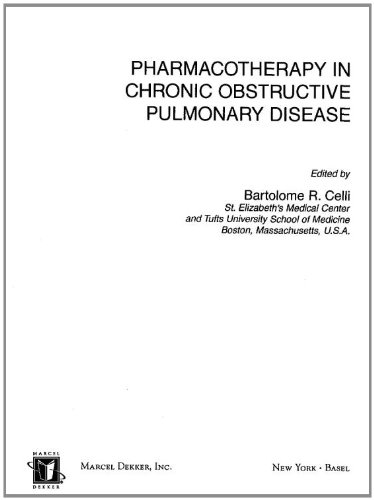
Lung Biology in Health Disease Volume 182 Pharmacotherapy in Chronic Obstructive Pulmonary Disease 1st Edition by Bartolome Celli ISBN 978-0824740290 0824740290
Original price was: $50.00.$35.00Current price is: $35.00.
Lung Biology in Health Disease Volume 182 Pharmacotherapy in Chronic Obstructive Pulmonary Disease 1st Edition by Bartolome R. Celli – Ebook PDF Instant Download/Delivery: 978-0824740290, 0824740290
Full download Lung Biology in Health Disease Volume 182 Pharmacotherapy in Chronic Obstructive Pulmonary Disease 1st Edition after payment
Product details:
ISBN 10: 0824740290
ISBN 13: 978-0824740290
Author: Bartolome R. Celli
Placing specialists at the cutting-edge of therapeutic and biotechnological research, this reference reviews the extensive array of pharmaceutical options available for the management of patients with COPD. The book considers disease severity, dosing regimens, administration methods, and monitoring procedures, as well as medication-related side-effects for improved lung function, reduction of disease symptoms, and enhanced quality of life. Contributions from world-renowned authorities reflect recent practices, controversies, and procedures in the control of COPD symptoms and detail the development and efficacy of therapies such as anticholinergics, beta adrenergics, and corticosteroids.
Table of contents:
Part One THE APPLICATION OF CLINICAL
ASSESSMENT TO THE DRUG DEVELOPMENT PROCESS
1. Providing Evidence of Therapeutic Benefit in Clinical Drug Development
Steven Kesten and Theodore J. Witek
I. Introduction
II. Regulation in the Development of Drugs
III. Key Considerations in Clinical Program Designs
IV. Key Considerations in Endpoints: Application to COPD
V. Summary
References
Part Two MEASURING OUTCOMES
A. Physiology
2. Use of Expiratory Airflows and Lung Volumes to Assess Outcomes in COPD
Gary T. Ferguson
I. Introduction
II. Expiratory Airflows
III. Lung Volumes
IV. Other Measures
V. Bronchodilator Reversibility and Airway Hyperreactivity
VI. Clinical Relevance
VII. Conclusion and Recommendations References
3. Exercise Testing
Denis E. O’Donnell and Katherine A. Webb
I. Introduction
II. Exercise Limitation in COPD
III. Exercise Testing: Field Tests
IV. Exercise Testing: Laboratory Tests
V. Failure to Improve Exercise Performance After Bronchodilators
VI. Evaluating Mechanisms of Functional Improvement
VII. Utility of Constant-Load Exercise Testing: Examples
VIII. Summary References
4. Sleep-Related Breathing Disturbances in COPD
Walter T. McNicholas
I. Introduction
II. Effects of Sleep on Respiration
III. Sleep in Chronic Obstructive Pulmonary Disease
IV. Mechanisms of Nocturnal Oxygen Desaturation in COPD
V. Consequences of Nocturnal Hypoxaemia in COPD
VI. Sleep Quality in COPD
VII. Contrasts with Exercise
VIII. Investigation of Sleep-Related Breathing Disturbances in COPD
IX. Management of Respiratory Abnormalities During Sleep in COPD
X. Pharmacological Therapy
XI. Conclusion
References
5. Airway and Alveolar Determinants of Airflow Limitation in COPD
Something Zamel
I. Introduction
II. Large-Airways Airflow Limitation
III. Small-Airways Airflow Limitation
IV. Alveolar Airflow Limitation References
6. Gas Exchange
Antoni Ferrer, Joan Albert Barberà, and Roberto Rodriguez-Roisin
I. Introduction
II. Bronchodilators
III. Glucocorticosteroids
IV. Vasodilators
V. Other Drugs
References
B. Laboratory
7. Genetics of COPD
Jian-Qing He, Ikuma Kasuga, and Peter D. Pare
I. Introduction
II. Evidence of Genetic Risk
III. Methods to Identify Susceptibility Genes
IV. Phenotypes
V. Candidate Genes in COPD
VI. Therapeutic Implications of COPD Genetics
VII. Pharmacogenetics of COPD
VIII. Conclusion
References
C. Health Outcomes
8. Dyspnea
Donald A. Mahler
I. Introduction
II. The Measurement of Dyspnea
III. Responsiveness
IV. Summary References
9. Exacerbations of COPD
Jadwiga A. Wedzicha
I. Definition of a COPD Exacerbation
II. Exacerbation Frequency
III. Goals of Exacerbation Therapy
IV. Therapy of the Acute Exacerbation
V. Prevention of COPD Exacerbation
VI. Conclusion References
10. Health Status Measurement in COPD
Paul W. Jones
I. Introduction: The Multifactorial Nature of COPD
II. Measuring the Overall Effect of Treatment
III. Health Status Questionnaires
IV. Thresholds for Clinical Significance
V. Health Status Changes Following Treatment
VI. Longitudianl Trends in Health Status
VII. Implications for Practice
VIII. Assessment of Individual Patient Benefit
IX. Summary
References
11. Health Resource Utilization
Mitchell Friedman
I. COPD-The Challenge
II. Helath Care Utilization in COPD
III. Economic Burden of COPD References
Part Three SPECIFIC THERAPY
12. Anticholinergics
Peter J. Barnes
I. Introduction
II. Rationale for Anticholinergic Therapy in COPD
III. Muscarinic Receptor Subtypes in the Airways
IV. The Search for Selective Anticholinergics
V. Tiotropium Bromide
VI. Pharmacokinetics
VII. Side Effects
VIII. Future Prospects
References
13. B-Adrenergic Receptor Agonist Bronchodilators in the Treatment of COPD
Stephen I. Rennard
I. Introduction
II. Mechanism of Action
III. Clinical Response
IV. Adverse Effects of B-Agonists
V. Clinical Assessment of the COPD patient
VI. Effect of Dyspnea
VII. Effect on Exercise
VIII. Quality of Life
IX. Exacerbations
X. Use of B-Agonist Bronchodilators in Clinical Practice
XI. Summary References
14. Theophylline and Phosphodiesterase Inhibitors in COPD
Alicia R. ZuWallack and Richard L. ZuWallack
I. Introduction
II. Molecular Mechanisms of Action of Theophylline and Other PDE Inhibitors
III. Pharmacological Effects of Theophylline
IV. Pharmacokinetics
V. Dosing and Monitoring of Theophylline
VI. Toxicity
VII. The Effectiveness of Theophylline on Important Outcomes for COPD
VIII. Selective Phosphodiesterase Inhibitors in the Treatment of COPD
IX. The Role of Theophylline in the Acute Exacerbation of COPD
X. Theophylline and Phosphodiesterase Inhibitors Use in COPD: Where Does It Fit In?
References
15. Corticosteroids in COPD
Mario Cazzola, Maria Gabriella Matera, and Romain Pauwels
I. Introduction
II. Impact of Corticosteroids on Inflammation in COPD
III. Clinical Effects of Corticosteroids in COPD
IV. Adverse Effects
V. Corticosteroids and Guidelines
VI. Combining an Inhaled Corticosteroid and a Long-Acting B2-Agonist in COPD
VII. Conclusion References
16. Antioxidants and Protease Inhibitors
Mario Cazzola and Maria Gabriella Matera
I. Introduction
II. Oxidative Stress and COPD
III. Proteases and COPD
IV. Conclusions References
17. An Integrated Approach to the Pharmacological Therapy of COPD
Bartolome R. Celli
I. Introduction
II. Change in Paradigm: A Constructive Analogy with Systemic Hypertension
III. Proof of Concept
IV. COPD: A Pulmonary Disease with Systemic Consequences
V. General Principles of Pharmacological Therapy in COPD
VI. Initiation of Drug Therapy
VII. Use of Corticosteroids
VIII. Other Medications
IX. Management of Acute Exacerbations
X. Summary and Conclusion References
People also search for:
biology of lung macrophages in health and disease
lung biology in health and disease
lung illnesses list
what are some lung diseases
what lung diseases are hereditary