
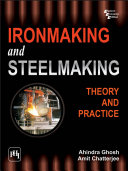
IRON MAKING AND STEELMAKING THEORY AND PRACTICE 1st Edition by Ahindra Ghosh ISBN 978-8120332898 812033289X


Original price was: $50.00.$35.00Current price is: $35.00.
IRON MAKING AND STEELMAKING THEORY AND PRACTICE 1st Edition by Ahindra Ghosh – Ebook PDF Instant Download/Delivery: 978-8120332898, 812033289X
Full download IRON MAKING AND STEELMAKING THEORY AND PRACTICE 1st Edition after payment
Product details:
ISBN 10: 812033289X
ISBN 13: 978-8120332898
Author: Ahindra Ghosh
IRONMAKING AND STEELMAKING : THEORY AND PRACTICE-PHI-CHATTERJEE, AMIT-2008-EDN-1
Table of contents:
Part A – GENERAL
1. Introduction
-
1.1 Early History of Iron (Steel)
-
Meteoric Iron and Wrought Iron
-
Cast Iron
-
Evolution of Ironmaking in Europe
-
Early History of Steelmaking before the Advent of Modern Processes
-
Iron and Steel Heritage of India
-
-
1.2 Evolution of Ironmaking Technology Since 1880
-
The Developing Blast Furnace
-
Alternative Ironmaking Processes
-
-
1.3 Steelmaking Since Henry Bessemer
-
Bessemer Process
-
Open Hearth Process
-
Electric Furnace Steelmaking
-
Basic Oxygen Steelmaking
-
Secondary Steelmaking and Continuous Casting of Steel
-
-
1.4 Present Status of the World Steel Industry
-
Classification
-
World Production of Steel
-
-
1.5 Steelmaking in India
-
1.6 Environmental Pollution and Control
-
Steps Taken by the Steel Industry
-
Forms of Pollution
-
-
1.7 Concluding Remarks
-
References
2. Overview of Blast Furnace Ironmaking
-
2.1 Introduction
-
Improvements Made in Blast Furnace Technology
-
-
2.2 Blast Furnace Reactions and Process in a Nutshell
2. Overview of Blast Furnace Ironmaking
-
General Constructional Features of the Furnace
-
Different Regions within a Blast Furnace
-
Size of Blast Furnace
-
-
Performance of Blast Furnace
-
Blast Furnace Refractory Lining
-
Charging of Solid Materials from the Top
-
Blast Furnace Plant and Accessories
-
Hot Blast Stoves
-
-
References
3. Overview of Modern Steelmaking
-
Introduction
-
Methods Presently Used for Steel Production
-
Oxygen Steelmaking
-
Top-blown Converter Process
-
Bottom-blown Converters (Q-BOP/OBM)
-
Bath Agitated Processes
-
-
Electric Steelmaking
-
Electric Arc Furnace (EAF)
-
Electric Induction Furnaces
-
-
Secondary Steelmaking
-
Ladle Stirring
-
Injection Processes
-
Vacuum Processes
-
Reheating Processes
-
-
Continuous Casting
4. General Physicochemical Fundamentals
-
Introduction
-
Chemical Equilibrium
-
Activity, Free Energy, Chemical Potential and Equilibrium
-
Free Energy and Equilibrium
-
Oxidation-Reduction Reactions
-
-
Activity vs. Composition Relationships
-
Introduction
-
Ideal, Non-ideal and Regular Solutions
-
Activities in Molten Slag Solutions
-
Activity-Composition Relationships in Dilute Solutions
-
-
Structure and Physicochemical Properties of Melts
-
Properties of Liquid Iron and Steel
-
Structure and Physicochemical Properties of Slag Melts
-
Slag Basicity and Capacities
-
Battle Models
-
-
Kinetics, Mixing and Mass Transfer
-
Introduction
-
Interfacial Chemical Reaction
-
Diffusion
-
Turbulence and Mixing in Fluids
-
Convective Mass Transfer at Interface
-
Enhancement of Process Rates
-
-
References
Part B – BLAST FURNACE IRONMAKING
5. Physical Chemistry of Blast Furnace Reactions
-
5.1 Thermodynamics of the Carbon-Oxygen Reaction
-
Combustion of Coke in the Tuyere Zone
-
C–CO–CO₂ Reaction
-
-
5.2 Gas–Solid Reaction Equilibria in the Blast Furnace Stack
-
The Fe–O System
-
Thermodynamics of Reduction of Iron Oxides by Carbon Monoxide
-
Dissociation of Limestone
-
Reactions of Hydrogen in the Stack
-
-
5.3 Kinetics of Reactions in the Stack
-
Kinetics of Reduction of Iron Oxides by CO and H₂
-
Kinetics of Gasification of Carbon by CO₂
-
Kinetics of Reduction of FeO by Carbon
-
Direct and Indirect Reduction in the Blast Furnace
-
-
5.4 Reactions and Phenomena in the Blast Furnace Bosh and Hearth
-
Blast Furnace Slag – Composition and Viscosity
-
Reaction of Silicon
-
Reaction of Sulphur
-
Reactions of Manganese and Titanium
-
-
References
6. Thermal and Chemical Features of the Blast Furnace
-
6.1 Introduction
-
Mass and Heat Balances
-
Regionwise Heat and Mass Balances
-
-
6.2 Tuyere Flame Temperature
-
RAFT Calculations
-
Tuyere Coal Injection
-
-
6.3 Thermal and Chemical Reserve Zones
-
Concept of an Ideal Blast Furnace
-
Reichardt’s Diagram and Thermal Reserve Zone
-
Chemical Reserve Zone
-
-
6.4 The Rist Diagram
-
Rist Diagram Based on Oxygen Balance Only
-
Rist Diagram Based on Mass and Heat Balance
-
Rist Diagram Based on Oxygen and Heat Balance, and Fe–FeₓO–Gas Equilibrium
-
-
References
7. Internal Zones and Gas Flow in Blast Furnaces
-
7.1 Introduction
-
7.2 The Six Internal Zones
-
7.3 Aerodynamic Features of the Granular Zone
-
Ergun Equation for Packed Beds
-
Bed Fluidisation and Elutriation
-
Gas Flow Through the Granular Zone of a Blast Furnace
-
-
7.4 Gas Flow in Wet Zones
-
7.5 Concluding Remarks
-
References
8. Raw Materials I: Coke
-
8.1 Introduction
-
Availability of Coking Coal
-
Types of Coal Available
-
-
8.2 Chemical Characteristics of Coals for Cokemaking
-
Proximate Analysis
-
Ultimate Analysis
-
-
8.3 Petrographic Characteristics of Coals for Cokemaking
-
Macerals and Mineral Matter
-
Reflectance (Rank) of Coal
-
-
8.4 Other Important Characteristics
-
8.5 Selection of Coals for Cokemaking
-
8.6 Assessment of Coke Quality
-
Room Temperature Strength
-
High Temperature Characteristics
-
-
8.7 Processes Used for Cokemaking
-
Conventional By-product Coke Ovens
-
Non-recovery Ovens
-
-
8.8 Pre-carbonization Techniques
-
Pre-heating of Coal
-
Briquette Blending of Coal
-
Selective Crushing of Coal
-
Stamp-charging
-
-
8.9 Alternative Coking Methods
-
References
9. Raw Materials II: Iron Ore and Agglomerates
-
9.1 Introduction
-
9.2 Occurrence of Iron Ore
-
Iron Ore Reserves of India
-
-
9.3 Beneficiation of Iron Ore
-
9.4 The Sintermaking Process
-
Bedding and Blending
-
Granulation
-
Sintering
-
Feed Preparation and Product Handling
-
-
9.5 Fundamentals of Sintering of Iron Ores
-
Sintering Phenomena
-
Heat Transfer during Sintering
-
Sinter Productivity
-
Structure of Sinter
-
Influence of Sinter Chemistry
-
-
9.6 Pelletisation
-
9.7 Physical and Chemical Characterisation of Lump Ore/Sinter/Pellets
-
Physical Testing
-
Chemical Characterisation
-
Thermal Analysis
-
9.8 Metallurgical Tests
-
Compression and Tumbler Strength
-
Reduction Behaviour
-
Reducibility
-
Reduction under Load
-
Softening-Melting Test
9.9 Recycling of Materials in the Blast Furnace
-
References
10. Blast Furnace Productivity, Fuel Efficiency and Modern Developments
-
10.1 Introduction
-
Efficiency of Operation
-
-
10.2 Fundamentals of Blast Furnace Productivity
-
The Concept of Productivity
-
Specific Gas Volume Requirement
-
Gas Flow through the Furnace
-
Furnace Irregularities
-
-
10.3 Effect of Agglomerated Iron Oxides on Productivity
-
Use of Sinter
-
Use of Pellets in Burden
-
Reducibility
-
Reduction-Degradation Index (RDI)
-
Softening-Melting Characteristics
-
-
10.4 Coke Quality for Improved Productivity and Fuel Efficiency
-
10.5 High Top Pressure (HTP) Operation
-
Influence of HTP on Productivity and Fuel Efficiency
-
Some Other Performance Improvements through Use of HTP
-
-
10.6 The Bell-Less Top
-
10.7 Pulverised Coal Injection (PCI)
-
10.8 Concluding Remarks
-
References
11. Blast Furnace Products and Their Utilisation
-
11.1 Introduction
-
11.2 Composition of Hot Metal
-
Overall Input and Output Considerations
-
Silicon Control
-
Sulphur Control
-
Phosphorus Content of Hot Metal
-
-
11.3 Handling Hot Metal and Slag
-
Tapping of Hot Metal and Slag
-
Transportation of Hot Metal
-
-
11.4 Blast Furnace Slag and Its Utilisation
-
Slag Characteristics
-
Usage of Blast Furnace Slag
-
-
11.5 Blast Furnace Gas and Its Utilisation
-
Cleaning of Blast Furnace Gas
-
-
Reference
12. Blast Furnace Modelling and Control
-
Introduction
-
General Approach
-
Process Modelling
-
Blast Furnace Models and Their Purpose
-
Types of Models Available
-
-
Steps Involved in Mathematical Modelling
-
General Formulation
-
Identification of Framework
-
-
Important Process Models
-
Burden Distribution Model
-
Thermochemical Model
-
Model of the Raceway
-
Freeze-line Model of the Hearth
-
-
Real-time Process Simulator
-
Reference
Part C: Alternative Ironmaking
13. Sponge Ironmaking
-
Introduction
-
Processes of Making Sponge Iron
-
Properties of Sponge Iron
-
Uses of Sponge Iron
-
Coal-based Sponge Iron Processes
-
Sponge Iron Production in Rotary Kilns
-
Coal-based Processes Using Rotary Hearth Furnaces
-
-
Gas-based Processes
-
Reforming of Natural Gas
-
Gas-based Direct Reduction in Fluidised Beds – Finmet Process
-
Gas-based Reduction in Stationary Retorts (HYL Process – Now Referred to as HYL I)
-
Gas-based Shaft Furnace Processes
-
-
Reference
14. Smelting Reduction
-
Introduction
-
Raw Materials for Smelting Reduction
-
Fundamentals of Smelting Reduction
-
History of Smelting Reduction
-
The Early Stages
-
The Second Stage
-
Commercialisation of SR
-
-
SR Process Categorisation
-
Classification Based on the Number of Stages Involved
-
Classification Based on the Type of Furnace Used for Smelting
-
-
Salient Features of Important SR Processes
-
Corex Process
-
Hismelt Process
-
Romelt Process
-
Finex Process
-
Fastmelt Process
-
ITmk3
-
Tecnored Process
-
-
Mini Blast Furnace
-
Reference
Part D: Steelmaking
15. Physical Chemistry of Primary Steelmaking
-
Introduction
-
Reactions and Heat Effects
-
Primary Steelmaking Slags
-
Phase Diagram and Activity-Composition Diagram
-
Other Properties of Primary Steelmaking Slags
-
-
The Reaction Equilibria
-
Introduction
-
Oxidation of Iron
-
Reactions of Carbon
-
Oxidation of Silicon
-
Reaction of Phosphorus
-
-
Mass Transfer and Kinetics in Steelmaking
-
References
16. BOF Plant Practice
-
Introduction
-
BOF Operation
-
BOF Shop Layout and Individual Converter Components
-
BOF Vessel Design and Refractory Lining
-
The Lance
-
Gas Cleaning System
-
Engineering Features of BOF Shops
-
-
Refining
-
Major Inputs for BOF Steelmaking
-
Hot Metal
-
Coolants
-
Flux Materials
-
Oxygen
-
-
Pre-treatment of Hot Metal Prior to Steelmaking
-
Objectives of Pre-treatment
-
Removal of Silicon
-
Desulphurisation
-
Dephosphorisation
-
16. BOF Plant Practice
-
Reagents Used for Pre-treatment
-
Soda-ash
-
Mixture of Soda-ash and Sodium Sulphate
-
Mill Scale, Sinter Fines, etc.
-
Calcium Carbide and Magnesium Granules
-
Injection of Desulphurising Agents
-
-
Hot Metal Pre-treatment Station(s)
-
Desiliconisation
-
Desulphurisation
-
-
Simultaneous Removal of Sulphur and Phosphorus
-
General Comments on Pre-treatment
-
References
17. Metallurgical Features of Oxygen Steelmaking
-
Introduction
-
Interaction of the Oxygen Jet with the Surroundings and the Bath
-
Mechanical Interactions
-
Chemical Interactions between Jet and Bath
-
Chemical-Thermal Interactions of the Jet with the Surroundings
-
-
Composition and Temperature Changes During the Blow
-
Slag Path and Lime Dissolution in Slag
-
Kinetics of Lime Dissolution
-
-
Kinetics of Carbon-Oxygen Reaction in BOF: Slag-Metal-Gas Interaction
-
Foams and Emulsions in Basic Oxygen Steelmaking
-
Mechanism of Carbon-Oxygen Reaction
-
-
Metallurgical Features of Bath Agitated Processes
-
General
-
Some Process Details
-
-
Oxygen Bottom Blown Processes
-
Comparison of Various Basic Oxygen Processes in Terms of Composition Control
-
References
18. Process Control for Basic Oxygen Steelmaking
-
Introduction
-
Chronology of Developments
-
-
Mathematical Models
-
Static Models
-
Dynamic Models
-
-
Semi-Dynamic Control
-
The Sub-lance
-
Immersion Carbon Sensor
-
Immersion Oxygen Sensor
-
-
Dynamic Control
-
Measurements on Exit Gas
-
Application of Sonic Meter
-
-
Concluding Remarks
-
References
19. Basic Open Hearth and Electric Arc Furnace Steelmaking
-
Basic Open Hearth Steelmaking
-
The Open Hearth Furnace
-
Steelmaking in Basic Open Hearth Furnaces
-
Transfer of Oxygen and Heat in Open Hearth Furnaces
-
Concluding Remarks
-
-
Electric Arc Furnace Steelmaking
-
General
-
The Furnace and the Auxiliaries
-
Conventional EAF Steelmaking Practice
-
Modern Developments in EAF Steelmaking
-
-
Performance Assessment of EAF Steelmaking
-
Key Process Performance Indices
-
Operating Costs
-
Steel Quality Control in EAF
-
-
References
20. Secondary Steelmaking
-
Introduction
-
Inert Gas Purging (IGP)
-
Deoxidation of Liquid Steel
-
Thermodynamics of Deoxidation of Molten Steel
-
Kinetics of Deoxidation of Molten Steel
-
The Ladle Furnace (LF)
-
Problem of Slag Carryover
-
The CAS-OB Process
-
-
Degassing and Decarburisation of Liquid Steel
-
Thermodynamics of Degassing Reactions
-
Kinetics of Desorption and Absorption of Nitrogen by Liquid Steel
-
Vacuum Degassing Processes
-
Manufacture of Ultra-Low Carbon (ULC) Steel by RH-OB Process
-
-
Desulphurisation in Secondary Steelmaking
-
Thermodynamic Aspects
-
Kinetic Aspects
-
Injection Metallurgy (IM)
-
-
Clean Steel Technology
-
Introduction
-
Cleanliness Control during Deoxidation
-
Cleanliness Control during Teeming
-
Tundish Metallurgy for Clean Steel
-
-
Miscellaneous Topics
-
Inclusion Modification
-
Temperature Changes during Secondary Steelmaking
-
Refractories for Secondary Steelmaking
-
-
References
21. Stainless Steelmaking
-
Introduction
-
Melting and Refining of Stainless Steels for Scrap and Ferroalloy-Based Processes
-
Melting
-
The AOD Converter Process
-
Thermodynamics of Reactions in the AOD Process
-
-
Other Processes for Stainless Steelmaking
-
Direct Stainless Steelmaking
-
References
Part E: Casting of Liquid Steel
22. Ingot Casting of Steel
-
Introduction
-
Fundamentals of Solidification
-
Heat Transfer and Solidification Rate in Ingot Casting
-
Segregation and Crystallisation during Solidification
-
-
Classification of Steel Ingots
-
Gas Generation during Freezing
-
Types of Ingots
-
-
Ingot Defects and Their Remedies
-
Pipe
-
Blow-hole
-
Columnar Structure Effects
-
Segregation
-
Non-metallic Inclusions
-
Internal Fractures and Hairline Cracks
-
Surface Cracks
-
-
References
23. Continuous Casting of Steel
-
Introduction
-
Heat Transfer and Solidification in Continuous Casting
-
General Considerations
-
Heat Transfer in the Mould
-
Mould Flux
-
Heat Transfer in Secondary Cooling Zone
-
-
Metallurgical Comparison of Continuous Casting with Ingot Casting
-
Modern Tundish Practice
-
Metallurgical Aspects
-
Tundish Design and Operation for Clean Steel
-
-
Current State of Continuous Casting Technology for Steel
-
General Features
-
The Mould and Its Operation
-
Electromagnetic Stirring
-
23. Continuous Casting of Steel
-
Metallurgical Defects and Their Remedies
-
Centreline Macro-segregation and Porosity
-
Cracks
-
Other Defects
-
-
Some Special Topics
-
Round Caster and Combination Caster
-
High Speed Casting
-
-
Near-Net Shape Casting
-
Thin Slab Casting
-
Strip Casting
-
Beam Blank Casting
-
-
References
Part F: Miscellaneous
24. Ironmaking and Steelmaking in India
-
Introduction
-
Evolution of Global/Indian Steel
-
India’s Potential in Steel
-
Growth of the Global Steel Industry
-
Expansion Plans of Indian Steel Producers
-
Raw Materials Scenario in India
-
Coal for Ironmaking
-
Iron Ore Scenario
-
-
Alternative Ironmaking in India
-
Direct Reduction
-
Smelting Reduction
-
Mini Blast Furnaces (MBFs)
-
-
Structure of the Indian Steel Industry
-
The Future
-
Concluding Comments
-
-
References
People also search for:
iron making and steelmaking
iron making and steelmaking theory and practice pdf
what is mixed with iron to make steel
iron making process
what is added to iron to make steel