
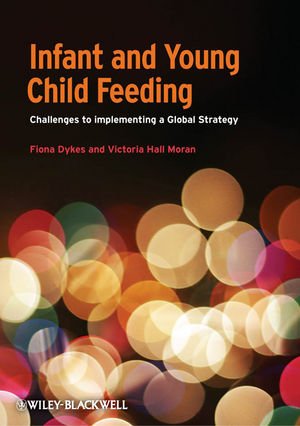
Infant and Young Child Feeding 1st Edition by Fiona Dykes ISBN 1405187213 978-1405187213

Original price was: $50.00.$35.00Current price is: $35.00.
Infant and Young Child Feeding 1st Edition by Fiona Dykes- Ebook PDF Instant Download/Delivery: 1405187213, 978-1405187213
Full download Infant and Young Child Feeding 1st Edition after payment
Product details:
ISBN 10: 1405187213
ISBN 13: 978-1405187213
Author: Fiona Dykes
Research has shown that optimum maternal and child nutrition can reduce the incidence of chronic conditions ranging from obesity, food allergy and asthma, to cardiovascular disease and cancers.
This exciting book, edited by Fiona Dykes and Victoria Hall Moran and with a foreword from Gretel Pelto, explores in an integrated context the varied factors associated with infant and child nutrition, including global feeding strategies, cultural factors, issues influencing breastfeeding, and economic and life cycle influences. Carefully drawn together and edited, recognising the many complexities and challenges that face practitioners working in the field, this landmark publication offers practical suggestions in this vitally important subject.
Infant and Young Child Feeding:
- Offers crucial insights into implementation of a Global Strategy for Infant and Young Child Feeding
- Illuminates the complex challenges for nutritionists, dieticians and other health and social care professionals in implementing international guidelines within local cultural settings
- Includes contributions from leading international experts in the field
All libraries in universities, medical schools and research establishments where nutrition and dietetics, midwifery, medicine, nursing, health studies and social sciences are studied and taught should have copies of this crucially important book on their shelves.
Table of contents:
1. From Grand Design to Change on the Ground: Going to Scale with a Global Feeding Strategy
James Acres
1.1 Introduction
1.2 How it all began
1.3 Grasping the global challenge
1.4 Summary recommendations
1.5 Conclusion References
2. A Biocultural Basis for Protecting, Promoting and Supporting Breastfeeding
Andy Bilson and Fiona Dykes
2.1 Introduction
2.2 WHO/UNICEF Baby-Friendly Hospital Initiative
2.3 A biocultural approach to institutional change
2.4 Conclusion References
3. Feeding Preterm Infants in Sweden: Challenges to Implementing the Global Strategy in a Pro-Breastfeeding Culture
Renée Flacking
3.1 Introduction
3.2 Breastfeeding preterm babies in Sweden
3.3 Breastfeeding as relationship building in the early phase
3.4 Breastfeeding at the ‘training camp’
3.5 Breastfeeding at home-trying to experience a balance in needs
3.6 Paradigm shift
3.7 Conclusion References
4. From ‘to Learn’ to ‘To Know’: Women’s Embodied Knowledge of Breastfeeding in Japan
Naoko Hashimoto and Christine McCourt
4.1 Introduction
4.2 The study
4.3 Social and historical background
4.4 Breastfeeding as bodily experience: findings from Japanese women’s narratives
4.5 Discussion and implications
4.6 Conclusion
References
5. Breastfeeding and Poverty: Negotiating Cultural Change and Symbolic Capital of Motherhood in Québec, Canada
Danielle Groleau and Charo Rodríguez
5.1 Introduction
5.2 Social experience of breastfeeding
5.3 Contextualising our study
5.4 Conclusion Acknowledgements References
6. Achieving Optimal Infant and Young Child Feeding Practices:
Case Studies from Tanzania and Rwanda
Lucy Thairu
6.1 Introduction
6.2 Infant feeding practices among mothers of unknown HIV status in Tanzania
6.3 Infant feeding practices among HIV+ mothers in Rwanda
6.4 Conclusion: bridging the gap between policy and actual practice to promote optimal infant feeding practices
References
7. Bodies in the Making: Reflections on Women’s Consumption Practices in Pregnancy
Helen Stapleton and Julia Keenan
7.1 Introduction
7.2 Background
7.3 Study aims, design and methodology
7.4 Consumption in pregnancy: socioeconomic grouping and autonomy
7.5 Consumption in pregnancy: prohibitions and exclusions
7.6 Consumption in pregnancy: cravings, calories and weight management
7.7 Autonomy and sociocultural constraints on choice and consumption
7.8 Conclusion References
8. Homeless Mothers and Their Children: Two Generations at Nutritional Risk
Anne Marie Coufopoulos and Allan Frederick Hackett
8.1 Introduction
8.2 Defining homelessness
8.3 Homelessness in the UK and homeless mothers
8.4 The use of temporary accommodation in the UK
8.5 Homelessness and the health of mothers
8.6 Nutrition and homeless mothers
8.7 Homelessness and child feeding
8.8 The Global Strategy for Infant and Child Feeding and homeless mothers in the UK – bridging the gap between policy and practice
8.9 Conclusion References
9. Lifecycle Influences and Opportunities for Change
Anthony F. Williams
9.1 Introduction
9.2 Disease risk, genotype and phenotype
9.3 Low birth weight
9.4 How strong is the link between birth size and chronic disease?
9.5 Maternal nutritional influences on nutritional phenotype of the newborn
9.6 Putative mechanism of phenotypic induction
9.7 Nutritional status of the child: impact of early growth
9.8 Conclusion References
10. Use of Economics to Analyse Policies to Promote Breastfeeding
Kevin D. Frick
10.1 Introduction
10.2 Economic considerations
10.3 Economic terminology
10.4 Economic framework for assessing infant and young child nutrition and feeding strategies
10.5 Economic analysis of global breastfeeding strategy
10.6 Conclusion References
11. Complex Challenges to Implementing the Global Strategy for Infant and Young Child Feeding
Victoria Hall Moran and Fiona Dykes References
People also search for:
infant and young child feeding in hindi
infant and young child feeding in emergencies iycf e
infant and young child feeding practice in ethiopia
infant and young child feeding practices in india
infant and young child feeding meaning in hindi
Tags: Fiona Dykes, Infant and Young, Child Feeding