
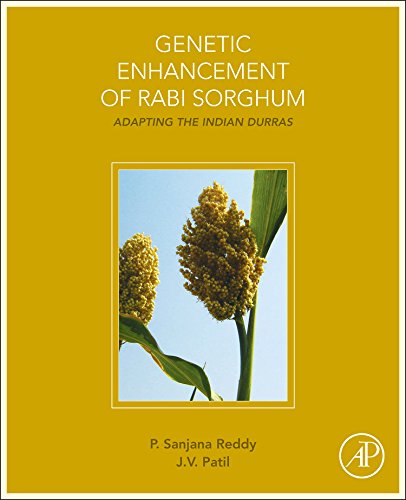
Genetic Enhancement of Rabi Sorghum Adapting the Indian Durras 1st Edition by Sanjana Reddy, Patil ISBN 978-0128019269 0128019263


Original price was: $50.00.$35.00Current price is: $35.00.
Genetic Enhancement of Rabi Sorghum Adapting the Indian Durras 1st Edition by Sanjana Reddy, J.V. Patil – Ebook PDF Instant Download/Delivery: 978-0128019269, 0128019263
Full download Genetic Enhancement of Rabi Sorghum Adapting the Indian Durras 1st Edition after payment
Product details:
ISBN 10: 0128019263
ISBN 13: 978-0128019269
Author: Sanjana Reddy, J.V. Patil
Genetic Enhancement of Rabi Sorghum – Adapting the Indian Durras presents both the historical background and the recent research done in breeding this important world crop for more global production. Its chapters cover topics in origin and taxonomy, morphology and breeding behavior, genetics, and cytogenetics, also looking at production, nutrition, and alternate uses.
The durra race is Ethiopian in origin and its introgression with wild forms permitted adaptation to drier conditions. These have migrated and adapted to the currently known crop that is cultivated in the winter season and commonly called rabi sorghums.
Grown under receding soil moisture conditions, rabi sorghums have tolerance to abiotic stresses apart from biotic stresses, unlike the rainy sorghums that are grown widely in the world. However, they must be more resilient to rapid changes in climate, for example. The variability from winter sorghums is being introgressed into rainy sorghums.
With the yield plateaus reached and sorghum gaining importance as a food crop, this book will be of importance to those studying durras and their breeding.
- Presents both the historical background and most recent research done in breeding rabi sorghum for more global production
- Provides information on the adaptation of the crop and the ways it has migrated to the currently known crop, which is cultivated in winter season and commonly called as rabi sorghum
- Explores strategies for resilience as the crop must be prepared to withstand rapid and varying changes in climate
Table of contents:
1. Introduction
1.1 Production Statistics
1.2 Environmental Factors Limiting Rabi Sorghum Productivity
1.3 Uses
1.4 Nutritional Status
1.5 Challenges for Genetic Enhancement
1.6 Characteristics and Cultivars
References
2. Taxonomy and Origin
2.1 Taxonomy
2.2 Origin
References
3. Morphology and Breeding Behavior
3.1 Morphology
3.2 Breeding Behavior and Pollination Control
References
4. Genetic Variability for Qualitative and Quantitative Traits
4.1 Morphological/Phenotypic Level
4.2 Biochemical Level
4.3 DNA Level
References
5. Genetics and Cytogenetics
5.1 Genetics
5.2 Cytogenetics
References
6. History of Winter Sorghum Improvement in India
6.1 The Origin of M 35-1
References
7. Breeding Methods for Winter Sorghum Improvement
7.1 Yield and Adaptation Breeding for Grain and Fodder Yield
7.2 Breeding for Resistance to Abiotic Stresses
7.3 Breeding for Resistance to Diseases
7.4 Breeding for Resistance to Insect Pests
7.5 Breeding for Grain, Fodder, and Nutritional Quality
7.6 Participatory Varietal Selection
References
8. Industrial or Alternate Uses
8.1 Industrial Products
References
People also search for:
examples of genetic enhancement in humans
julian savulescu genetic enhancement
sanji genetic enhancement
michael sandel genetic enhancement
glannon argues that genetic enhancement is
Tags: Sanjana Reddy, Patil, Genetic Enhancement, Sorghum Adapting