
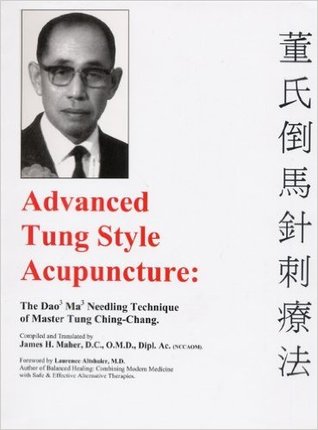
Advanced Tung Style Acupuncture Vol 1 The Dao Ma Needling Technique 1st Edition by Ching Chang Tung, James H Maher ISBN 9780975909690 097590969X


Original price was: $50.00.$35.00Current price is: $35.00.
Advanced Tung Style Acupuncture Vol 1 The Dao Ma Needling Technique 1st Edition by Ching Chang Tung, James H Maher – Ebook PDF Instant Download/Delivery: 9780975909690, 097590969X
Full download Advanced Tung Style Acupuncture Vol 1 The Dao Ma Needling Technique 1st Edition after payment
Product details:
ISBN 10: 097590969X
ISBN 13: 9780975909690
Author: Ching Chang Tung, James H Maher
This series of books presents copious acupuncture prescriptions gathered from the English and Chinese language Tung Acupuncture literature in the translator’s personal library. More than 15 different sources were referenced (several currently out of print). He has compiled, collated, and translated all the prescriptions proffered by Wei-Chieh Young, Min-Chuan Wang, Palden Carson, Robert Chu, Esther Su, Richard Tan, Miriam Lee, and Susan Johnson, and applied accompanying diagrams for each clinical entity to facilitate their application. Included are: author-specific point locations, needling instructions, contraindications and, when available, clinical comments, lifestyle modifications, etc., all direct clinical experiences with Master Tung’s Acupuncture. Tung Style Acupuncture is a unique and highly effective form of authentic Chinese acupuncture. The style has been proven clinically very effective and is sought out worldwide. The style is well suited to virtually all clinicians. This text series should not be construed as introductory texts or as ‘primers’ in the acupuncture of Master Tung Ching-Chang, nor as preparatory texts on the TCM theories governing each specialty. This first volume in the series will be of particular utility to clinicians who are already familiar with Master Tong’s acupuncture and who are interested to augment their practice and success rate using these well-founded techniques.
Table of contents:
Chapter 1: Introduction
-
1.1 Web Caching
-
1.2 A Brief History of Squid
-
1.3 Hardware and Operating System Requirements
-
1.4 Squid Is Open Source
-
1.5 Squid’s Home on the Web
-
1.6 Getting Help
-
1.7 Getting Started with Squid
-
1.8 Exercises
Chapter 2: Getting Squid
-
2.1 Versions and Releases
-
2.2 Use the Source, Luke
-
2.3 Precompiled Binaries
-
2.4 Anonymous CVS
-
2.5 devel.squid-cache.org
-
2.6 Exercises
Chapter 3: Compiling and Installing
-
3.1 Before You Start
-
3.2 Unpacking the Source
-
3.3 Pretuning Your Kernel
-
3.4 The configure Script
-
3.5 make
-
3.6 make Install
-
3.7 Applying a Patch
-
3.8 Running configure Later
-
3.9 Exercises
Chapter 4: Configuration Guide for the Eager
-
4.1 The squid.conf Syntax
-
4.2 User IDs
-
4.3 Port Numbers
-
4.4 Log File Pathnames
-
4.5 Access Controls
-
4.6 Visible Hostname
-
4.7 Administrative Contact Information
-
4.8 Next Steps
-
4.9 Exercises
Chapter 5: Running Squid
-
5.1 Squid Command-Line Options
-
5.2 Check Your Configuration File for Errors
-
5.3 Initializing Cache Directories
-
5.4 Testing Squid in a Terminal Window
-
5.5 Running Squid as a Daemon Process
-
5.6 Boot Scripts
-
5.7 A chroot Environment
-
5.8 Stopping Squid
-
5.9 Reconfiguring a Running Squid Process
-
5.10 Rotating the Log Files
-
5.11 Exercises
Chapter 6: All About Access Controls
-
6.1 Access Control Elements
-
6.2 Access Control Rules
-
6.3 Common Scenarios
-
6.4 Testing Access Controls
-
6.5 Exercises
Chapter 7: Disk Cache Basics
-
7.1 The cache_dir Directive
-
7.2 Disk Space Watermarks
-
7.3 Object Size Limits
-
7.4 Allocating Objects to Cache Directories
-
7.5 Replacement Policies
-
7.6 Removing Cached Objects
-
7.7 refresh_pattern
-
7.8 Exercises
Chapter 8: Advanced Disk Cache Topics
-
8.1 Do I Have a Disk I/O Bottleneck?
-
8.2 Filesystem Tuning Options
-
8.3 Alternative Filesystems
-
8.4 The aufs Storage Scheme
-
8.5 The diskd Storage Scheme
-
8.6 The coss Storage Scheme
-
8.7 The null Storage Scheme
-
8.8 Which Is Best for Me?
-
8.9 Exercises
Chapter 9: Interception Caching
-
9.1 How It Works
-
9.2 Why (Not) Intercept?
-
9.3 The Network Device
-
9.4 Operating System Tweaks
-
9.5 Configure Squid
-
9.6 Debugging Problems
-
9.7 Exercises
Chapter 10: Talking to Other Squids
-
10.1 Some Terminology
-
10.2 Why (Not) Use a Hierarchy?
-
10.3 Telling Squid About Your Neighbors
-
10.4 Restricting Requests to Neighbors
-
10.5 The Network Measurement Database
-
10.6 Internet Cache Protocol
-
10.7 Cache Digests
-
10.8 Hypertext Caching Protocol
-
10.9 Cache Array Routing Protocol
-
10.10 Putting It All Together
-
10.11 How Do I …
-
10.12 Exercises
Chapter 11: Redirectors
-
11.1 The Redirector Interface
-
11.2 Some Sample Redirectors
-
11.3 The Redirector Pool
-
11.4 Configuring Squid
-
11.5 Popular Redirectors
-
11.6 Exercises
Chapter 12: Authentication Helpers
-
12.1 Configuring Squid
-
12.2 HTTP Basic Authentication
-
12.3 HTTP Digest Authentication
-
12.4 Microsoft NTLM Authentication
-
12.5 External ACLs
-
12.6 Exercises
Chapter 13: Log Files
-
13.1 cache.log
-
13.2 access.log
-
13.3 store.log
-
13.4 referer.log
-
13.5 useragent.log
-
13.6 swap.state
-
13.7 Rotating the Log Files
-
13.8 Privacy and Security
-
13.9 Exercises
Chapter 14: Monitoring Squid
-
14.1 cache.log Warnings
-
14.2 The Cache Manager
-
14.3 Using SNMP
-
14.4 Exercises
Chapter 15: Server Accelerator Mode
-
15.1 Overview
-
15.2 Configuring Squid
-
15.3 Gee, That Was Confusing!
-
15.4 Access Controls
-
15.5 Content Negotiation
-
15.6 Gotchas
-
15.7 Exercises
Chapter 16: Debugging and Troubleshooting
-
16.1 Some Common Problems
-
16.2 Debugging via cache.log
-
16.3 Core Dumps, Assertions, and Stack Traces
-
16.4 Replicating Problems
-
16.5 Reporting a Bug
-
16.6 Exercises
People also search for:
advanced tung style acupuncture
advanced tung style acupuncture pdf
advanced tung style acupuncture pdf download
what is tung acupuncture
acupuncture techniques in traditional chinese medicine
Tags: Ching Chang Tung, James H Maher, Advanced Tung Style, Acupuncture Vol 1