
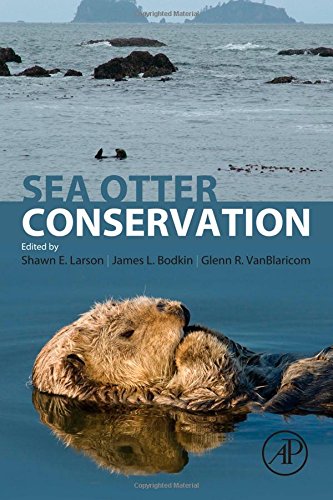
Sea Otter Conservation 1st Edition by Shawn Larson, James Bodkin, Glenn VanBlaricom ISBN 978-0128014028 0128014024
Original price was: $50.00.$35.00Current price is: $35.00.
Sea Otter Conservation 1st Edition by Shawn E. Larson, James L. Bodkin, Glenn R. VanBlaricom – Ebook PDF Instant Download/Delivery: 978-0128014028, 0128014024
Full download Sea Otter Conservation 1st Edition after payment
Product details:
ISBN 10: 0128014024
ISBN 13: 978-0128014028
Author: Shawn E. Larson, James L. Bodkin, Glenn R. VanBlaricom
Sea otters are good indicators of ocean health. In addition, they are a keystone species, offering a stabilizing effect on ecosystem, controlling sea urchin populations that would otherwise inflict damage to kelp forest ecosystems. The kelp forest ecosystem is crucial for marine organisms and contains coastal erosion. With the concerns about the imperiled status of sea otter populations in California, Aleutian Archipelago and coastal areas of Russia and Japan, the last several years have shown growth of interest culturally and politically in the status and preservation of sea otter populations.
Sea Otter Conservation brings together the vast knowledge of well-respected leaders in the field, offering insight into the more than 100 years of conservation and research that have resulted in recovery from near extinction. This publication assesses the issues influencing prospects for continued conservation and recovery of the sea otter populations and provides insight into how to handle future global changes.
Covers scientific, cultural, economic and political components of sea otter conservation
Provides guidance on how to manage threats to the sea otter populations in the face of future global changes
Highlights the effects that interactions of coastal animals have with the marine ecosystem
Table of contents:
1. The Conservation of Sea Otters: A Prelude
Shawn E. Larson and James L. Bodkin
Introduction
Natural History
Conservation Successes and Challenges
The Fur Trade
Recovery
Oil Spills
Predation
Genetic Diversity
Subspecific Taxonomy, Stocks, and Management
Apex Predator, Keystone Species, and Food Limitation
Sources of Mortality
Rehabilitation
Interactions with People
Conclusion
References
2. Natural History, Ecology, and the Conservation and Management of Sea Otters
James A. Estes
History
Form and Function
Insulation
Metabolic Rate
Life History
Associated Species
Autotrophs
Macroinvertebrates
Parasites and Pathogens
Food Web
Ecosystems
Human Emotions
Discussion
References
3. Historic and Contemporary Status of Sea Otters in the North Pacific
James L. Bodkin
Introduction
Historic Distribution and Abundance
The Maritime Fur Trade
Early Twentieth Century Recovery and Conservation
Translocations Mid-Twentieth Century
Late Twentieth Century
Recent Population Abundance
Spatial Scale of Population Structuring
Prince William Sound
Southeast Alaska
Conclusion
Acknowledgments
References
4. Challenges to Sea Otter Recovery and Conservation
Brenda E. Ballachey and James L. Bodkin
Introduction
Defining Threats: Scale and Scope
Threats: Past, Present and Future
Human Take
Fisheries
Other Accidental Mortality
Mortality from Nuclear Testing (Amchitka Island,
Aleutian Chain)
Predation (Other than Human)
Competition and Resource Limitation
Oil and Other Contaminants
Disease
Habitat Loss or Degradation
Natural Hazards
Genetic Diversity
Density-Dependent Threats
Climate Change
Conclusion
References
5. Sea Otter Conservation Genetics
Shawn E. Larson, Katherine Ralls and Holly Ernest
Introduction
The Sea Otter Story and Conservation Genetics
Conservation Genetic Approaches
Samples
Methods
Nuclear
Mitochondrial DNA
Adaptive Genetics
Sea Otter Genetic Research Findings
Genetic Diversity
Population Structure
Inbreeding and Genetic Problems in Small, Isolated Populations
Future Work
Nuclear Variability and Genetic Fingerprinting
Sequencing
Conclusion
References
6. Evaluating the Status of Individuals and Populations: Advantages of Multiple Approaches and Time Scales
Daniel H. Monson and Lizabeth Bowen
Introduction
The North Pacific Example
Tools of the Trade
Energetic Tools
Morphometric Tools
Demographic Tools
Emerging Tools
Conclusion
Acknowledgments
References
7. Veterinary Medicine and Sea Otter Conservation
Michael J. Murray
Unique Features in Natural History are Important
Veterinary Medicine and the Evolution of Sea Otter Capture and Handling
Physical and Chemical Immobilization of Sea Otters
Role of Sea Otter Anatomy and Physiology on Conservation
The Veterinary Contribution to Sea Otter Conservation
Sea Otter Conservation, Disease, and Veterinary Medicine
Future Roles of Veterinary Medicine in Sea Otter Conservation
References
8. Sea Otters in Captivity: Applications and Implications of Husbandry Development, Public Display, Scientific Research and Management, and Rescue and Rehabilitation for Sea Otter Conservation
Glenn R. VanBlaricom, Traci F. Belting and Lisa H. Triggs
Introduction
Part One: Small Numbers of Sea Otters in Captivity
Background and History
Conservation Value of Captive Animals in Shaping Public Perceptions
Conservation Value of Research on Resident Animals in Zoos and Aquaria
Values and Benefits of Aquarium Staffs as Resources for Sea Otter Conservation
Pioneering Research Projects
Review of the History of Research on Captive Sea Otters in Zoos, Aquaria, Research Facilities, Research Vessels, and Temporary Field Installations
Experimental Studies of Effects of Fouling by Crude Oil
Part Two: Temporary Holding of Large Numbers of Wild Animals
The Translocation of Sea Otters to SNI, California: Benefits and Insights from the Captive Phase for Sea Otter Conservation
Rescue and Rehabilitation of Sea Otters Influenced by the EVOS
Discussion
Acknowledgments
References
9. The Value of Rescuing, Treating, and Releasing Live-Stranded Sea Otters
Andrew Johnson and Karl Mayer
Introduction
Sea Otter Strandings and Stranding Response
Caseload Management and Ethical Challenges
The Surrogacy Project
Creating Value
Conclusion
References
10. The Use of Quantitative Models in Sea Otter Conservation
M. Tim Tinker
Introduction
Models of Behavior
Models of Population Dynamics
Models of Community Dynamics
Some Examples: Applied Conservation Models
Conclusion
References
11. First Nations Perspectives on Sea Otter Conservation in British Columbia and Alaska: Insights into Coupled Human-Ocean Systems
Anne K. Salomon, Kii’iljuus Barb J. Wilson, Xanius Elroy White, Nick Tanape Sr. and Tom Mexsis Happynook
Introduction: Regime Shifts and Transformations Along North America’s Northwest Coast
Sea Otter Use in Ancient Times
Evidence of Prehistoric Sea Otter Population Reduction
Evidence of Prehistoric Trophic Cascades
Trophic Cascades of the Nineteenth Century
Ancient Governance and Management Protocols of Coastal Marine Resources and Sea Otters
Evidence of Coastal Conservation and Management in Deep Time
Ancient Marine Tenure System
Contingent Proprietorship, Public Accountability, and Reciprocity
Ancient Sea Otter Hunting Practices and Evidence for Spatial Management
Traditional Principles of Stewardship and Sustainability
Balancing the Needs of People and Nature: First Nations Perspectives
Reconciling Worldviews Who Decides How Much?
Restoring to What?
Can Traditional Governance and Management Practices
Be Applied Today?
The Future: Preparing for and Adapting to Change
Navigating Towards Ecological and Social Resilience on the Northwest Coast
Acknowledgments
References
12. Shellfish Fishery Conflicts and Perceptions of Sea Otters in California and Alaska
Lilian P. Carswell, Suzann G. Speckman and Verena A. Gill
California
The Sea Otter-Abalone Fishery Conflict of the 1960s-1970s
A Plan to Move Sea Otters: The Southern Sea Otter Translocation Program, 1987-2012
Alaska
The Sea Otter-Shellfish Fishery Conflict in Southeast Alaska
Conclusion
Disclaimer
Acknowledgments
References
13. Conservation in Practice
Linda M. Nichol
Introduction
Impact of the Commercial Fur Trade on Sea Otter
Populations
Laws and Treaties to Protect Sea Otters
The International Fur Seal Treaty of 1911
Laws Protecting Sea Otters Within Three-Nautical-Mile
Territorial Limits
Reflection on Effectiveness of Early Laws
Reintroduction of Sea Otters
Reintroduction of Sea Otters to British Columbia
Protecting Habitat
Endangered Species Legislation
Canada’s SARA
Species Recovery Versus Ecological Community Recovery
Conclusion
Acknowledgments
References
14. Synopsis of the History of Sea Otter Conservation in the United States
Glenn R. VanBlaricom
Introduction
Protection and Security of Fur-Bearing Mammals in
Alaskan Territorial Waters in the Nineteenth Century, Following the 1867 Treaty of Cession
Protection of Sea Otters in International Waters
Protective Laws and Protocols in the Individual States
Pioneering Conservation Actions in California
Development of Contemporary Protocols of Individual States benefiting the Conservation of Sea Otters
Regional-Scale Non-Governmental Organizations with Foci on the Conservation of Sea Otters
The IUCN Red List and Key Federal Legislation as Tools
for Sea Otter Conservation
Protection of Federally Managed Habitat Spaces and
Waters Utilized by Sea Otters
The National Wildlife Refuge System
The National Park System
The National Marine Sanctuary System
The National Forest System
Protected Spaces Managed by the US Department of Defense
The Alaska Native Claims Settlement Act and the Alaska National Interest Lands Conservation Act
Protection of Water Quality
Discussion
Acknowledgments
References
People also search for:
sea otter research and conservation program
sea otter research and conservation
northern sea otter conservation status and date listed
conservation of sea otters
sea otter conservation plan
Tags: Shawn Larson, James Bodkin, Glenn VanBlaricom, Sea Otter Conservation