
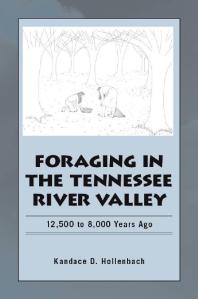
Foraging in the Tennessee River Valley 12 500 to 8 000 Years Ago 1st Edition by Kandace Hollenbach ISBN 978-0817316433 0817316434
Original price was: $50.00.$35.00Current price is: $35.00.
Foraging in the Tennessee River Valley 12 500 to 8 000 Years Ago 1st Edition by Kandace D. Hollenbach – Ebook PDF Instant Download/Delivery: 978-0817316433, 0817316434
Full download Foraging in the Tennessee River Valley 12 500 to 8 000 Years Ago 1st Edition after payment
Product details:
ISBN 10: 0817316434
ISBN 13: 978-0817316433
Author:Kandace D. Hollenbach
Plants are inarguably a significant component of the diets of foraging peoples in non-arctic environments. As such, the decisions and activities associated with the gathering and exploitation of plants are important to foragers’ subsistence pursuits. Plant remains are particularly important for understanding gathering activities. Inasmuch as plant foods comprised a considerable portion of early foragers’ diets, and the gathering and processing of these plant resources occupied a significant proportion of the population, namely women, children, and the elderly, an understanding of gathering activities and how they relate to use of the landscape is critical. Organic remains are poorly preserved in the acidic soils of the Southeast and are often limited or absent from open-air sites, but archaeological deposits protected within rockshelters provide an exception. Organic remains are consistently well preserved in their rain-protected deposits, and rockshelters are locations that groups repeatedly visited. Because of this repeated use and remarkable preservation, significant quantities of well-preserved faunal and botanical remains can be recovered from rockshelter deposits.
In Foraging, Hollenbach analyzes and compares botanical remains from archaeological excavations in four rockshelters in the Middle Tennessee River Valley. The artifact assemblages of rockshelter and open-air sites are similar, so it is reasonable to assume that faunal and botanical assemblages would be similar, if open-air sites had comparable preservation of organic remains. The rich organic data recovered from rockshelters therefore may be considered representative of general subsistence and settlement strategies, and can significantly inform our views of lifeways of Late Paleoindian and Early Archaic peoples. The data produced from this analysis provides a valuable baseline of plant food use by early foragers in the region, and establishes a model of Late Paleoindian and Early Archaic lifeways in the Southeast.
Table of contents:
-
Introduction
-
Modeling the Late Paleoindian and Early Archaic Periods in the Southeast
-
The Landscape of the Middle Tennessee River Valley
-
Modeling Resource Procurement in the Middle Tennessee River Valley
-
Paleoethnobotanical Analysis – Data and Methods
-
Paleoethnobotanical Analysis – Results
-
Subsistence and Mobility in Northwest Alabama
People also search for:
foraging in the tennessee river valley
foraging in tn
foraging in tennessee
foraging in tennessee book
foraging in middle tennessee
Tags: Kandace Hollenbach, the Tennessee, River Valley