
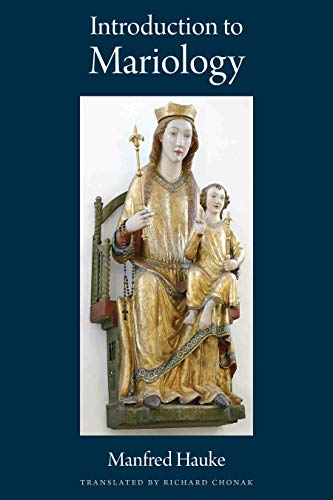
Introduction to Mariology 1st Edition by Manfred Hauke ISBN 978-0813233376 0813233372
Original price was: $50.00.$35.00Current price is: $35.00.
Introduction to Mariology 1st Edition by Manfred Hauke – Ebook PDF Instant Download/Delivery: 978-0813233376, 0813233372
Full download Introduction to Mariology 1st Edition after payment
Product details:
ISBN 10: 0813233372
ISBN 13: 978-0813233376
Author: Manfred Hauke
In Introduction to Mariology, Fr. Manfred Hauke provides a synthesis of Mariology and the biblical fundaments and development of Marian doctrine. While it works as a comprehensive introduction suitable for courses on the subject, it is in reality a panoramic view on the entire Marian doctrine, and as such will be essential for the theological formation of seminarians, priests, theologians, and all kinds of educated Catholics. With an unparalleled bibliographic citation of Marian literature across a dozen languages, it is also a perfect gateway to further research on the subject.
It begins with Biblical doctrine, which is important especially for the dialogue with Protestant denominations: Catholic Mariology can be traced in its “embryonic” state already in Holy Scripture. From there Hauke presents a historical overview of the whole development of Marian doctrine, before developing further historical details in the subsequent chapters dedicated to systematic issues. The first systematic step approaches the figure of Mary through her role in the mystery of the Covenant between God and redeemed humanity; her being “Mother of God” and companion of the Redeemer is the “fundamental principle.” Then the four established Marian dogmas are presented: divine maternity, virginity, Immaculate Conception (in a chapter on Mary’s holiness more broadly), and bodily Assumption. A close look is given to maternal mediation which includes a part dedicated to the “Mater Unitatis”. A stand alone chapter is dedicated to Marian apparitions; authentic apparitions are presented as a part of prophetic charisma. The last chapter presents the basics on Marian devotion which culminates in the consecration to Mary (as a response to her maternal mediation).
Already available in Spanish and Italian, with a publication in Portugese, and Korean on the way, this landmark work is published here for the first time in English.
Table of contents:
1. Biblical Foundations
-
Old Testament Preparations
-
Introductory Note
-
The “Protoevangelium” (Gn 3:15)
-
The Prophecy of Isaiah 7:14
-
The “Daughter of Zion”
-
Mary in the New Testament
-
Mary, Mother of the Son of God (Paul)
-
The “Son of God” as “Son of Mary” (Mark)
-
Preliminary Note on the “Infancy Gospels”
-
The Virgin Mother of Jesus according to Matthew
-
The Virgin Mother of the Lord according to Luke
-
The Presence of Mary in the Gospel according to John
-
The “Woman” of the Apocalypse
-
References
2. A Short Historical Overview
-
Introductory Note
-
Mary in the Patristic Era
-
The First Mariological Witnesses of the Tradition (Ignatius of Antioch, Justin, Irenaeus)
-
The Contribution of Apocryphal Writings
-
Patristic Motifs through the Sixth Century
-
Medieval Development
-
The Road to the Definitions of the Immaculate Conception and the Assumption
-
Reformation and Counter-Reformation
-
Development from the Seventeenth Century until the Eve of Vatican II
-
The Contribution of the Second Vatican Council
-
The Post-Conciliar Period
-
References
3. Starting Points for Systematic Reflection
-
The Debate on the “Fundamental Marian Principle”
-
Mary in the Mystery of the Covenant
-
Mary the Woman, in the Context of Anthropology
-
The Teaching of St. Paul VI (and His Predecessors)
-
Feminist Mariology
-
Evaluation
-
The Contribution of Mulieris dignitatem
-
References
4. The Divine Maternity of Mary
-
The Systematic Importance of the Dogma
-
Biblical Foundations
-
Patristic Development to the End of the Fourth Century
-
Does the Christian Doctrine of the Divine Maternity Have a Pagan Origin?
-
The Council of Ephesus (431)
-
Further Developments of Doctrine after Ephesus
-
Ecumenical Aspects
-
Systematic Aspects
-
The Title “Mother of God” Is Important for Understanding the Person of Jesus Christ
-
The Divine Maternity Originates in the Eternal Plan of God (Predestination)
-
There Was Preparation for the Divine Maternity in the Holiness of Mary
-
The Divine Maternity Brings with It a Transforming Relationship
-
With the Divine Maternity, Mary Takes an Active Role in the Work of Salvation
-
The Divine Maternity Is the Beginning of Mary’s Spiritual Maternity for the Church
-
The Divine Maternity Exalts Mary above All Other Creatures
-
The Divine Maternity Constitutes a Special Relationship with the Most Holy Trinity
-
References
5. The Virginity of Mary
-
The Importance of the Doctrine
-
Virginitas ante partum
-
Biblical References
-
Early Opposition (Judaism, Paganism)
-
Modern Criticism
-
The Dogmatic Character of the Virginitas ante partum
-
The Theological Significance of the Virginal Origin of Jesus
-
Virginitas in partu
-
The First Patristic References
-
Biblical References?
-
The Road to the Creed
-
The Debate in Modern Times
-
The Connection with Mariology as a Whole
-
Virginitas post partum
-
A Plan of Virginity
-
The Role of the Marriage of Mary and the Figure of Joseph
-
References
6. The Holiness of Mary
-
Introduction
-
Freedom from All Personal Sin
-
The Relationship between the Universality of the Redemption and the Function of the New Eve: A Tension to Resolve
-
Patristic Development and the Importance of the Council of Ephesus
-
The Council of Trent as a Landmark
-
The Impeccability of Mary
-
Freedom from Original Sin (Immaculate Conception)
-
The Meaning of the Dogma
-
Biblical Foundation
-
Basis for the Historical Development
-
Development in the East
-
Development in the West up to the Twelfth Century (Eadmer)
-
The Contribution of William of Ware and of Duns Scotus
-
The Battle of the Maculists and Immaculists up to Alexander VII (1661)
-
The Definition of the Immaculate Conception by Pius IX (1854)
-
The Theological Context of the Dogma
-
The Ecumenical Debate
-
Freedom from Concupiscence
-
Fullness of Grace
-
The Expression of Holiness in the Immaculate Heart of Mary
-
References
7. The Assumption of Mary
-
Introduction
-
Biblical Foundations
-
Development of the Doctrine in the Eastern Church
-
The Silence of the First Centuries
-
The Tradition of the Tomb of Mary at Gethsemane
-
Interpretation of the Apocrypha
-
The Liturgical Witness
-
Theological Explanation
-
Development in the West
-
The Definition of the Dogma
-
Connection with Other Marian Dogmas
-
Anthropological and Eschatological Significance
-
Debate between the Mortalists and the Immortalists
-
The Dogma in the Ecumenical Context
-
In Dialogue with the Separated Eastern Churches
-
Ecumenical Dialogue with the Ecclesial Communities Arising from the Reformation
-
The Queenship of Mary
-
Connection with the Assumption
-
Biblical Basis
-
Historical Development
-
Systematic Exposition
-
References
8. The Mediation of Mary
-
Preliminary Note
-
Mary as “Companion of the Redeemer” (Socia Redemptoris)
-
The Starting Point
-
Biblical Foundation
-
Mary as Spiritual “Mother,” “Companion,” and “Helper”
-
The Recurrence of the Title “Co-Redemptrix”
-
The Theological Debate on Co-Redemption
-
The Call for a Dogma on the Title “Co-Redemptrix”
-
Mary as Dispensatrix of Graces
-
Introduction
-
The Historical Trail of This Concept
-
A Universal Mediation
-
Is There a “Physical” or “Moral” Causality in Mary’s Mediation?
-
The Integrative Character of the Doctrine of the Universal Mediation of Mary
-
Mary as “Mother of the Church”
-
Mary, “Image and Mother” of the Church
-
Biblical Foundations and Historical Development of the Title Mater Ecclesiae
-
Systematic Aspects
-
Mary, Mater unitatis: The Maternal Mediation of the Mother of God in Ecumenism and Interreligious Dialogue
-
Marian Mediation and Ecumenism
-
The Title Mater unitatis
-
The Figure of Mary in Relation to Other Religions
-
References
9. The Prophetic Role of Mary in Apparitions
-
Theological Locus of the Phenomenon
-
Criteria for Credibility
-
A Historical View of Marian Apparitions
-
Antiquity
-
Modern Apparitions Recognized by Ecclesiastical Authority
-
Unrecognized Phenomena
-
Assessing the Content of the Marian Apparitions after 1830
-
References
10. Marian Veneration and Devotion
-
The Principles of Marian Cultus
-
Mary in the Liturgy
-
Introduction
-
The Role of Mary in the Eucharistic Celebration
-
Mary in the Celebration of the Other Sacraments
-
Mary in the Liturgical Calendar
-
Mary, Model of the Worshipping Church
-
Mary in Popular Piety
-
Introduction
-
Prayers
-
Recurring Observances in the Weekly, Monthly, and Annual Cycles
-
Consecration to Mary
-
References
Appendix: Mariology on the Internet
-
Mariological Associations
-
Institutes of Research and Study with Academic Degree Programs in Mariology
-
Other Marian Centers, Usually with Scholarly Libraries
-
Journals and Book Series
-
Other Resources
-
Websites and Bibliographies of Individual Mariologists
People also search for:
introduction to mariology hauke
introduction to mariology pdf
introduction to mariology manfred hauke
what is mariology
introduction to start a prayer