
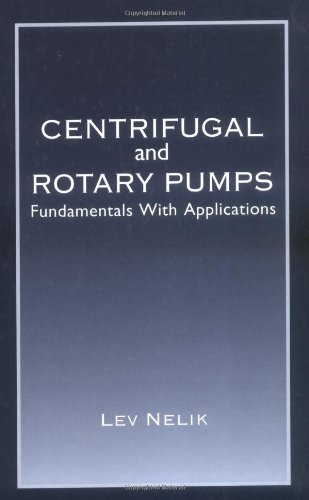
Automation for Food Engineering Food Quality Quantization and Process Control 1st Edition by Lev Nelik ISBN 9780849307010 0849307015

Original price was: $50.00.$35.00Current price is: $35.00.
Automation for Food Engineering Food Quality Quantization and Process Control 1st Edition by Lev Nelik – Ebook PDF Instant Download/Delivery: 9780849307010, 0849307015
Full download Automation for Food Engineering Food Quality Quantization and Process Control 1st Edition after payment
Product details:
ISBN 10: 0849307015
ISBN 13: 9780849307010
Author: Lev Nelik
It appears there may be some confusion regarding the authorship of Automation for Food Engineering: Food Quality Quantization and Process Control. This book is authored by Yanbo Huang, A. Dale Whittaker, and Ronald E. Lacey, not Lev Nelik. It was published in 2001 by CRC Press as part of the Contemporary Food Science series.
Table of contents:
Chapter 1
Introduction 1
1.1 Food quality: a primary concern of the food industry
1.2 Automated evaluation of food quality
1.3 Food quality quantization and process control
1.4 Typical problems in food quality evaluation and process control
1.4.1 Beef quality evaluation
1.4.2 Food odor measurement
1.4.3 Continuous snack food frying quality process control
1.5 How to learn the technologies
References
Chapter 2
Data acquisition 11
2.1 Sampling
2.1.1 Example: Sampling for beef grading
2.1.2 Example: Sampling for detection of peanut off-flavors
2.1.3 Example: Sampling for meat quality evaluation
2.1.4 Example: Sampling for snack food eating quality evaluation
2.1.5 Example: Sampling for snack food frying quality process control
2.2 Concepts and systems for data acquisition
2.2.1 Example: Ultrasonic A-mode signal acquisition for beef grading
2.2.2 Example: Electronic nose data acquisition for food odor measurement
2.2.3 Example: Snack food frying data acquisition for quality process control
2.3 Image acquisition
2.3.1 Example: Image acquisition for snack food quality evaluation
2.3.2 Example: Ultrasonic B-mode imaging for beef grading
2.3.3 Example: Elastographic imaging for meat quality evaluation
References
Chapter 3 Data analysis 49
3.1 Data preprocessing
3.2 Data analysis
3.2.1 Static data analysis
3.2.1.1 Example: Ultrasonic A-mode signal analysis for beef grading
3.2.1.2 Example: Electronic nose data analysis for detection of peanut off-flavors
3.2.2 Dynamic data analysis
3.2.2.1 Example: Dynamic data analysis of the snack food frying process
3.3 Image processing
3.3.1 Image segmentation
3.3.1.1 Example: Segmentation of elastograms for detection of hard objects in packaged beef rations
3.3.2 Image feature extraction
3.3.2.1 Example: Morphological and Haralick’s statistical textural feature extraction from images of snack food samples
3.3.2.2 Example: Feature extraction from ultrasonic B-mode images for beef grading
3.3.2.3 Example: Haralick’s statistical textural feature extraction from meat elastograms
3.3.2.4 Example: Wavelet textural feature extraction from meat elastograms
References
Chapter 4 Modeling 99
4.1 Modeling strategy
4.1.1 Theoretical and empirical modeling
4.1.2 Static and dynamic modeling
4.2 Linear statistical modeling
4.2.1 Example: Linear statistical modeling based on ultrasonic A-mode signals for beef grading
4.2.2 Example: Linear statistical modeling for food odor pattern recognition by an electronic nose
4.2.3 Example: Linear statistical modeling for meat attribute prediction based on textural features extracted from ultrasonic elastograms
4.2.4 Example: Linear statistical dynamic modeling for snack food frying process control
4.3 ANN modeling
4.3.1 Example: ANN modeling for beef grading
4.3.2 Example: ANN modeling for food odor pattern recognition by an electronic nose
4.3.3 Example: ANN modeling for snack food eating quality evaluation
4.3.4 Example: ANN modeling for meat attribute prediction
4.3.5 Example: ANN modeling for snack food frying process control
References
Chapter 5 Prediction 143
5.1 Prediction and classification
5.1.1 Example: Sample classification for beef grading based on linear statistical and ANN models
5.1.2 Example: Electronic nose data classification for food odor pattern recognition
5.1.3 Example: Snack food classification for eating quality evaluation based on linear statistical and ANN models
5.1.4 Example: Meat attribute prediction based on linear statistical and ANN models
5.2 One-step-ahead prediction
5.2.1 Example: One-step-ahead prediction for snack food frying process control
5.3 Multiple-step-ahead prediction
5.3.1 Example: Multiple-step-ahead prediction for snack food frying process control
References
Chapter 6 Control
6.1 Process control
6.2 Internal model control
6.2.1 Example: ANNIMC for the snack food frying process
6.3 Predictive control
6.3.1 Example: Neuro-fuzzy PDC for snack food frying process
References
Chapter 7 Systems integration 201
7.1 Food quality quantization systems integration
7.2 Food quality process control systems integration
7.3 Food quality quantization and process control systems development
7.4 Concluding remarks
References
People also search for:
automation food manufacturing
food automation equipment
food automation-service techniques inc
food automation
food automation inc
Tags: Lev Nelik, Automation for Food, Food Quality Quantization