
The DAM Book Digital Asset Management for Photographers 1st Edition by Hugh Williams, David Lane ISBN 0596005436 978-0596005436

Original price was: $50.00.$35.00Current price is: $35.00.
The DAM Book Digital Asset Management for Photographers 1st Edition by Hugh E. Williams, David Lane – Ebook PDF Instant Download/Delivery: 0596005436, 978-0596005436
Full download The DAM Book Digital Asset Management for Photographers 1st Edition after payment
Product details:
ISBN 10: 0596005436
ISBN 13: 978-0596005436
Author: Hugh E. Williams, David Lane
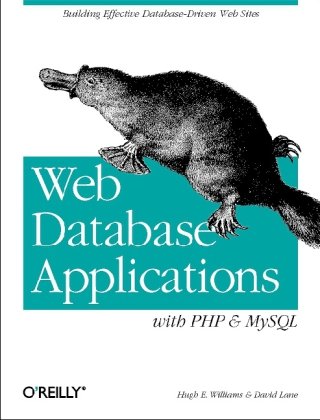
There are many reasons for serving up dynamic content from a web site: to offer an online shopping site, create customized information pages for users, or just manage a large volume of content through a database. Anyone with a modest knowledge of HTML and web site management can learn to create dynamic content through the PHP programming language and the MySQL database. This book gives you the background and tools to do the job safely and reliably. Web Database Applications with PHP and MySQL, Second Edition thoroughly reflects the needs of real-world applications. It goes into detail on such practical issues as validating input (do you know what a proper credit card number looks like?), logging in users, and using templates to give your dynamic web pages a standard look. But this book goes even further. It shows how JavaScript and PHP can be used in tandem to make a user’s experience faster and more pleasant. It shows the correct way to handle errors in user input so that a site looks professional. It introduces the vast collection of powerful tools available in the PEAR repository and shows how to use some of the most popular tools. Even while it serves as an introduction to new programmers, the book does not omit critical tasks that web sites require. For instance, every site that allows updates must handle the possibility of multiple users accessing data at the same time. This book explains how to solve the problem in detail with locking. Through a sophisticated sample application–Hugh and Dave’s Wine Store–all the important techniques of dynamic content are introduced. Good design is emphasized, such as dividing logic from presentation. The book introduces PHP 5 and MySQL 4.1 features, while providing techniques that can be used on older versions of the software that are still in widespread use. This new edition has been redesigned around the rich offerings of PEAR. Several of these, including the Template package and the database-independent query API, are fully integrated into examples and thoroughly described in the text. Topics include:
Installation and configuration of Apache, MySQL, and PHP on Unix®, Windows®, and Mac OS® X systems
Introductions to PHP, SQL, and MySQL administration
Session management, including the use of a custom database for improved efficiency
User input validation, security, and authentication
The PEAR repository, plus details on the use of PEAR DB and Template classes
Production of PDF reports
Table of contents:
Chapter 1
What Is All This DAM Stuff
Section 1.1
It’s Like Color Management, Only Different
Section 1.2
What Is Digital Asset Management
Section 1.3
An Overview of the DAM System
Section 1.4
Understanding Digital Asset Management Software
Section 1.5
Benefits of the DNG Format and Digital Asset Management of RAW Files
Section 1.6
The Benefits of Sound Digital Asset Management
Chapter 2
Metadata
Section 2.1
Types of Metadata
Section 2.2
Applying Ratings, Keywords, and Groupings
Section 2.3
Storing Metadata
Chapter 3
Creating the Digital Archive Part 1: The Information Structure
Section 3.1
The Archive: An Overview
Section 3.2
Information Structure
Section 3.3
Directory Structure: Enter the Bucket Brigade
Section 3.4
The Fine Art of File Naming
Chapter 4
Creating the Digital Archive Part 2: Hardware Configurations
Section 4.1
My Rig
Section 4.2
Choosing a Storage Medium
Section 4.3
Choosing Your Hard Drives
Section 4.4
Backing Up Your Archive: How Safe Is Safe
Chapter 5
Setting Up Bridge
Section 5.1
What Exactly Is Bridge
Section 5.2
Setting Up Bridge’s Preferences
Section 5.3
The Bridge Menus
Section 5.4
Setting Up Keywords in Bridge
Chapter 6
The Editing Workflow
Section 6.1
The Workflow Checklist
Section 6.2
Phase 1: Acquiring Images
Section 6.3
Phase 2: Preparing Images in Bridge
Section 6.4
Phase 3: Creating the DNG Files
Chapter 7
Using Cataloging Software
Section 7.1
Evaluating Software
Section 7.2
The DAM Interface
Section 7.3
Using DAM Software to Perform Work on Images
Section 7.4
Managing the Archive
Section 7.5
Other DAM Stuff
Section 7.6
Case Studies
Chapter 8
Derivative Files
Section 8.1
What’s a Derivative File
Section 8.2
Reasons to Make Derivative Files
Section 8.3
Conversion Options
Section 8.4
Conversion Issues
Section 8.5
Cataloging Strategies: What to Keep
Chapter 9
Strategies for Successful File Migration
Section 9.1
Overview of the Migration Process
Section 9.2
Migration of Disorganized Digital Files into an Organized Information Structure
Section 9.3
Migration from Film to Digital
Section 9.4
File Format Migration (RAW to DNG)
Section 9.5
Migration from One Storage Medium to Another
Section 9.6
OS/Software Migration
Section 9.7
Conclusion
People also search for:
the dam book 3.0
dam digital asset management software
the dam book digital asset management for photographers
digital asset management book
the dam book
Tags:
Hugh Williams,David Lane,The DAM,Digital Asset,Management for Photographers