
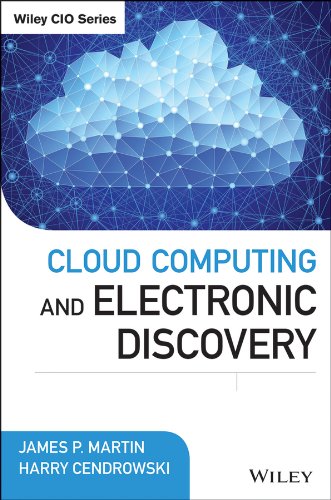
Cloud Computing and Electronic Discovery 1st Edition by James Martin, Harry Cendrowski ISBN 978-1118764305 1118764307

Original price was: $50.00.$35.00Current price is: $35.00.
Cloud Computing and Electronic Discovery 1st Edition by James P. Martin, Harry Cendrowski – Ebook PDF Instant Download/Delivery: 978-1118764305, 1118764307
Full download Cloud Computing and Electronic Discovery 1st Edition after payment
Product details:
ISBN 10: 1118764307
ISBN 13: 978-1118764305
Author: James P. Martin, Harry Cendrowski
Explore the frontier of electronic discovery in the cloud
Cloud Computing and Electronic Discovery comprehensively covers the quickly-evolving realm of eDiscovery in cloud computing environments, a computing and legal frontier in which the rules and legal precedents are being developed anew seemingly by the day. The book delves into this fascinating and rapidly-developing topic to prepare fraud investigators, legal professionals, forensic accountants, and executives understand the ramifications of storing data with third party providers and how such storage mechanisms relate to the limits of discovery practices.
This up-to-date resource also includes a complete discussion of the few existing legal precedents and current cases that are shaping interpretation of discovery laws in the cloud space, a perfect overview for executives storing their companies’ data in the cloud and the legal professionals tasked with understanding and interpreting the discovery rules surrounding that data. The book is comprehensive in scope and includes:
- An overview of current trends in cloud computing, including potential information that should be considered in an investigation that involves data held by a cloud service provider
- Updates on current and proposed laws governing discovery of information held by a third party cloud service provider
- Updates on legal cases that address the issues of the Electronic Communication Privacy Act, the Federal law prohibiting release of information by a third party provider
- Practical guidance on how to consider the availability of cloud data relevant to an investigation, and how to include this data in discovery plans
For business, accounting, and legal professionals, Cloud Computing and Electronic Discovery is an invaluable resource for understanding the nuanced development of cloud eDiscovery policies, practices, and law as they continue to unfold and develop.
Table of contents:
Section One—Cloud Computing: Basics of Technologies and Applications
Chapter 1 Cloud Computing Definitions and Technical Considerations – Christopher Thieda
-
IaaS
-
PaaS
-
SaaS
-
Considerations for Discovery
-
Data Transfer Regulations
-
Notes
Chapter 2 The Proliferation of Data Available for Discovery – James P. Martin and Harry Cendrowski
-
An Example of Third‐Party Data: Google Search Engine
-
Consideration of Data Points in Discovery
-
Creating an eDiscovery Plan in a Cloud‐Based World
-
Production of Cloud Data
-
Notes
Chapter 3 Cloud Migration and Planning for Retention – James P. Martin and Harry Cendrowski
-
Data Retention and the Cloud
-
Considerations for Litigation
-
Notes
Section Two—Current Laws Affecting Discovery
Chapter 4 Brief History of Privacy and Selected Electronic Surveillance Laws – James P. Martin and Harry Cendrowski
-
Communications Act of 1934
-
Title III—Omnibus Crime Control and Safe Streets Act, 1968
-
Advancements in Telephone System Technologies
-
Electronic Communications Privacy Act of 1986
-
Notes
Chapter 5 Electronic Communications Privacy Act – James P. Martin and Harry Cendrowski
-
Title II—The Stored Communications Act
-
§2703—Required Disclosure of Customer Communication or Records
-
Backup Provisions
-
Electronic Storage and the Ninth Circuit
-
Pen Registers and Trap and Trace Devices
-
Production Demands and the ECPA
-
Notes
Chapter 6 Proposed Legislative Changes and Future Laws – James P. Martin
-
Points for Improvement
-
Congressional Action
-
Notes
Chapter 7 The Control Concept and Related Issues – Matthew P. Breuer and James Martin
-
The Application of Rule 34(a)
-
Rule 34(a) in Litigation
-
Flagg—A Modern Day Approach
-
Notes
Chapter 8 Current Issues in Cloud Data – James P. Martin and Matthew P. Breuer
-
Cell Tower Data and Location Information
-
StingRay and Location Monitoring
-
BYOD Policies and Data Ownership
-
Notes
Chapter 9 The Rise of Social Media and Its Role in Litigation – Sarah Marmor and Deirdre Fox
-
Roots of Social Media
-
Why, How, and When to Access Data on Social Media in Litigation
-
Obligations to Preserve Evidence
-
Accessing Social Media
-
Using Social Media in Litigation
-
Notes
Section Three—Relevant Cases
Chapter 10 Modern Case Analysis Shaping Litigation – Matthew P. Breuer and James P. Martin
-
O’Grady v. Superior Court (2006)
-
Krinsky v. Doe 6 (2008)
-
Flagg v. City of Detroit (2008)
-
Warshak v. U.S. (2010)
-
Ehling v. Monmouth-Ocean Hospital (2012)
-
Juror Number One v. California (2012)
-
Summary of Cases
-
Notes
Chapter 11 Cloud Computing and Reasonable Expectations of Privacy: Fourth Amendment Concerns – Matthew P. Breuer and James P. Martin
-
Ex Parte Jackson (1877)
-
Olmstead v. United States (1928)
-
Katz v. United States (1967)
-
United States v. Miller (1976)
-
United States v. Jacobsen (1984)
-
United States v. Jones (2012)
-
Summary of Cases
-
Notes
Chapter 12 Compelled Production of Cloud Computing Data: Fifth Amendment Concerns – Matthew P. Breuer and James P. Martin
-
United States v. Doe (1984)
-
Doe v. United States (1988)
-
United States v. Hubbell (2000)
-
In re Boucher (2009)
-
In re Grand Jury Subpoena Duces Tecum (2011)
-
Notes
People also search for:
a cloud computing classroom software that many colleges use
cloud computing – b.s
cloud computing and electronic
cloud e-discovery
cds e-discovery
Tags: James Martin, Harry Cendrowski, Cloud Computing, Electronic Discovery