
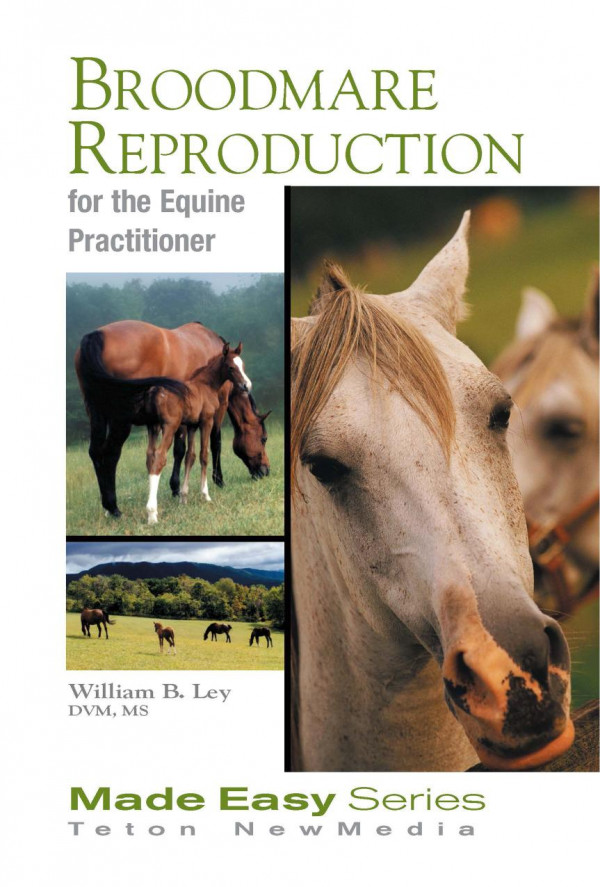
Broodmare Reproduction for the Equine Practitioner Book CD 1st Edition by William Ley ISBN 9781591610137 1000690296


Original price was: $50.00.$35.00Current price is: $35.00.
Broodmare Reproduction for the Equine Practitioner Book CD 1st Edition by William Ley – Ebook PDF Instant Download/Delivery: 9781591610137, 1000690296
Full download Broodmare Reproduction for the Equine Practitioner Book CD 1st Edition after payment
Product details:
ISBN 10: 1000690296
ISBN 13: 9781591610137
Author: William Ley
A concise and liberally illustrated working guide on Broodmare health and breeding management for veterinarians, veterinary students and breeders. The presentation includes all of the clinical procedures and assessments necessary for maintaining the health and breeding soundness of the Broodmare. This handy reference covers the use of ultrasonograp
Table of contents:
Section 1: Equine Reproductive Efficiency
1 General Principles
2 Some Helpful Hints
3 Definitions
4 Rates, Terms, and Efficiency
5 Factors Influencing Pregnancy Rate
6 Causes of Early Embryonic Death (EED)
Section 2: Breeding Management Systems
7. Terms and Terminology
8. Estrous Detection and Teasing Program
9. Behavior
10. Pasture Mating
11. Hand Mating
12. Artificial Insemination
Section 3: Preventive Medicine Program for Broodmares
13. Biosecurity
14. Immunizations
15. Equine Influenza
16. Equine Herpesvirus
17. Equine Encephalitides
18. Equine Arteritis Virus
19. Rabies
20. Rotavirus
21. Equine Strangles
22. Anthrax
23. Potomac Horse Fever, Equine Monocytic Ehrlichiosis
24. Equine Protozoal Myelitis/Myeloencephalitis
25. Tetanus Toxoid
26. Botulism
27. Parasite Control
28. Nutrition
Section 4: Anatomy and Physiology
29. Perineal Conformation and Anatomy
30. Vulva, Vestibule, and Vagina
31. Uterus, Uterine Tubes, Ovaries and Adnexa
32. Cervix
33. Uterus
34. Oviducts
35. Ovaries
36. Adnexa
37. Physiology of Ova Production and Fertilization
38. Folliculogenesis
39. Oogenesis
40. Fertilization
Section 5: Seasonality, the Estrous Cycle and its Manipulation and Artificial Control
41. Seasonality
42. The Estrous Cycle
43. Points of Control
44. Progestogens
45. Prostaglandins
46. Gonadotropins
47. Options for Management
48. Estrous Synchronization Programs
49. Artificial Lighting
50. Estrus Suppression in Show and Performance Mares
Section 6: Breeding Serviceability Exam of the Mare
51. History and Signalment
52. Physical Examination
53. External Perineum
54. Vaginal Examination
55. Rectal Exam and Ultrasonography
56. Endometrial Cytology
57. Endometrial Culture
58. Endometrial Biopsy
59. Hysteroscopy
60. Other Diagnostics
Section 7: Breeding Management
61. Estrous Detection
62. Examinations
63. Records
64. Breeding by Live Cover
65. Breeding by Artificial Insemination
66. Fresh Semen on the Farm
67. Transported Extended Cooled Semen
68. Frozen Semen
69. Low-dose Hysteroscopic Insemination
70. Ovulation Management
71. hCG
72. Deslorelin
73. Prostaglandin F2-alpha
74. Post-Breeding Examination and Treatments
Section 8: Pregnancy Diagnosis
75. Behavioral Signs of Pregnancy
76. Vaginoscopy
77. Rectal Examination for Signs of Pregnancy
78. Transrectal Ultrasonography
79. Hormonal Evaluations
80. Progesterone
81. Equine Chorionic Gonadotropin (eCG, PMSG)
82. Estrogens
83. Tandem Hormone Assay
84. Relaxin
85. Management of Twin Conception
86. Early Intervention
87. Late Intervention
88. Fetal Sexing
89. Transabdominal Ultrasonography
Section 9: Early Embryonic Loss
90. Early Pregnancy Considerations
91. Age-Related Considerations
92. Uterine Tube Considerations
93. Uterine Environment Considerations
Section 10: Infectious Causes of Endometritis and Treatment Options
94. Endometritis
95. Endometrosis
96. Anatomic Barriers of Defense
97. Physical Clearance Mechanism
98. Infectious Causes of Endometritis
99. Uterine Lavage
100. Uterine Ecbolics
101. Antimicrobial Therapy
102. Disinfectant Therapy
103. Alternative Therapy
104. Plasma
105. Colostrum
106. Mannose
107. Immunostimulants
108. Endometrial Curettage
Section 11: Non-infectious Causes of Infertility
109. Cytogenetic Causes of Infertility
110. Definitions
111. Etiology
112. Three Groups of Individuals
113. Intersexuality
114. Gonadal Dysgenesis
115. Hybrids
116. Ovarian Tumors and Conditions
117. Granulosa Thecal Cell Tumors
118. Hematoma
119. Cystadenoma
120. Teratomas
121. Lymphosarcoma
122. Dysgerminoma
123. Arrhenoblastoma
124. Cystic Ovaries
125. Paraovarian Cyst
126. Other Causes of Non-Infectious Infertility
127. Twinning
128. Early Embryonic Death
129. Oviduct/Salpingitis
130. Uterine Cysts
131. Uterine Tumors
132. Abnormalities of the Cervix
133. Autoantibodies to the Zona Pellucida
134. Sperm Agglutinins
135. Hypothyroidism
136. Equine Cushing’s Disease
137. Nutrition and Body Condition
138. Breeding Mismanagement
139. Transitional Season
140. Prolonged Lifespan of CL
141. Environmental Stress
142. Pregnancy
Section 12: Assisted Reproductive Technologies
143. Components of ART
144. The Realities of ART
145. Why ART in Horses?
146. Limits Imposed
147. Artificial Insemination/ Intrauterine Insemination
148. Embryo Transfer
149. Embryo Flushing Procedure
150. Embryo Shipment
151. Embryo Cryopreservation
152. Indications
153. Usual Procedure
154. Gamete Intrafallopian Transfer
155. Intracytoplasmic Sperm Injection
156. Intrafollicular Insemination
157. In Vitro Fertilization
158. Oocyte Retrieval/ Ovum Pick-up/ Follicular Aspiration
159. Oocyte Transfer or Intrafollicular Transfer of Oocytes
160. Oocyte Cryopreservation
161. Xenogeneic Gamete Intrafallopian Transfer
162. Zygote Intrafallopian Transfer
People also search for:
broodmare horses
broodmare update
broodmare produce records
broodmare boarding
equine broodmare
Tags:
William Ley,Broodmare Reproduction,the Equine Practitioner